If you’ve ever tried to upload a photo to a website or send it to a Windows user only to encounter a “file not supported” error, you’ve likely encountered the HEIC image format. Many Apple products use High Efficiency Image Container (HEIC) files to save space when storing high-quality images, but formats like JPEG and PNG are more universally compatible.
Thankfully, converting your HEIC and HEIF images to a different format is fast and easy with QuillBot’s free HEIC image converter. Read on to learn more about how to convert and share your images with the click of a button.
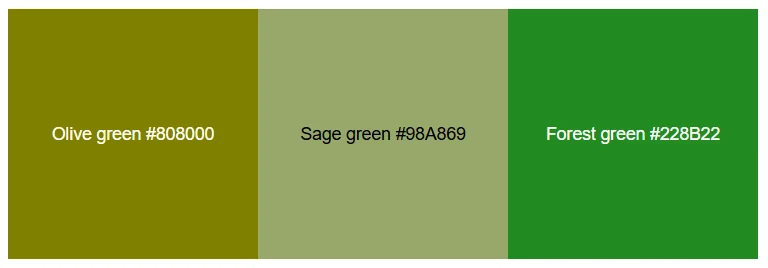
Named after unripened green olives, olive green is a muted, earthy shade of green that sits at the yellow end of the green spectrum on the color wheel.
Colors described as olive green are typically darker and more vivid than sage green and more yellow-leaning than forest green.
TipIf you have an image with an olive green palette you like, upload it to QuillBot’s color palette generator to extract its color codes, which you can use as inspiration for creating your own olive green color scheme.
If you’re looking for a shade of green that’s bright and vivid but not too loud, emerald green might be exactly what you’re after.
This article covers emerald green’s defining characteristics, its most common associations, key color codes, and how to create an emerald green palette.
TipQuillBot’s color palette generator can help you create an emerald green palette for your project.
Just upload an image containing the kind of colors you’re looking for, and this free online tool will give you the color codes of its palette, which you can use as a starting point.
The color name sage green covers a wide range of muted greens, from warmer, yellow-leaning tones to cooler, grayer ones.
Sage green can bring a feeling of refined serenity to interior spaces and is often a good choice for brands looking for a green that inspires quiet confidence and trust.
TipIf you’re looking for a sage green palette for your project, try uploading an inspiring image with sage tones to QuillBot’s color palette generator. This free online tool extracts the image’s palette and returns the corresponding hex codes, giving you a starting point for a custom sage green palette.
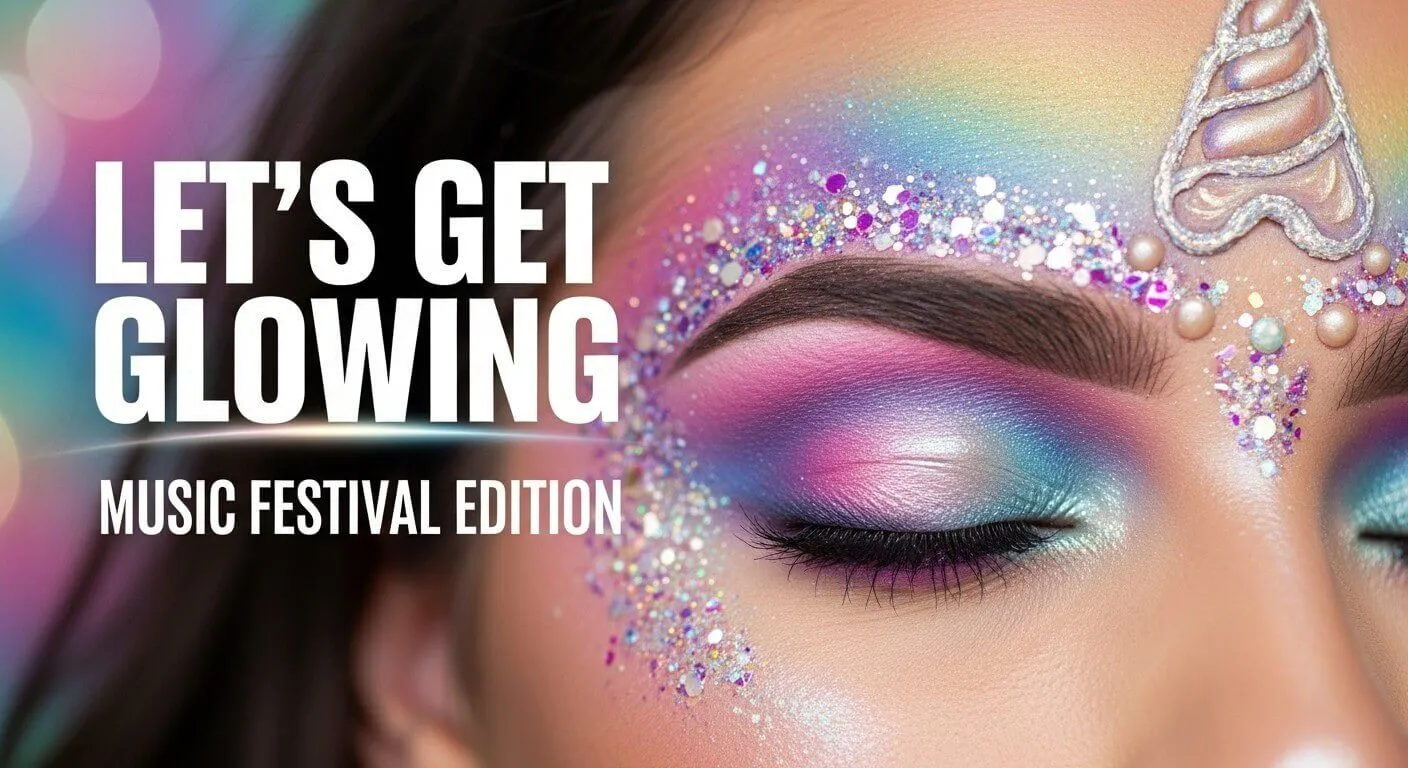
YouTube thumbnails aren’t just tiny pictures. They’re click magnets. The right thumbnail can make a difference between a video that goes viral and one that gets lost in the feed. Videos with custom thumbnails consistently achieve higher click-through rates (CTR) than auto-generated video stills, which don’t always convey the video’s story.
But not everyone is a professional designer. How can you create thumbnails that stand out, drive clicks, and maintain consistent brand identity without design skills? That’s where an AI thumbnail generator comes in. QuillBot’s YouTube thumbnail maker combines design expertise and psychology to produce high-performing thumbnails, and it’s completely free to use.
Keep reading to discover what you can achieve with a YouTube thumbnail generator and why AI-generated thumbnails get more clicks.
Technically speaking, complementary colors aren’t colors that necessarily look good together; they’re colors that are opposite each other on a color wheel. They contrast strongly and “neutralize” each other if mixed, shifting toward dull grays or browns if you’re using paints or toward colorless grays or white if the colors are produced with light (e.g., on a computer display).
You can find complementary colors using an online tool like QuillBot’s free color wheel—all you need to do is enter a hex code (e.g., #B0E0E6 for a pastel blue) and select “Complementary” from the color harmony drop-down menu.
So you’ve found a color that encapsulates your brand—perhaps it’s a fresh green to hint at sustainability, a deep blue to evoke trust, or a refined teal to help you stand out from the crowd.
A color wheel tool, like QuillBot’s free color wheel, can help you expand on that signature color to build a palette you can use consistently across your website, social posts, flyers, and other brand materials.
This article will show you a simple method for generating a five-color palette you can use as a foundation for your project’s branding design, using a color wheel and some basic color theory.
Thumbnails are often the first thing viewers notice when browsing content online. Many platforms can automatically generate a thumbnail for you, but sometimes you want a custom thumbnail to better convey your message, showcase your brand, or make your content stand out.
An AI thumbnail generator lets you quickly create unique, visually engaging thumbnails without expensive software or special design skills. With QuillBot’s free AI thumbnail generator, you can experiment with different art styles, color schemes, and layouts to match your content and brand.
This guide walks you through the step-by-step process for creating custom thumbnails that are professional, clickable, and eye-catching, even if you’re new to design.
AI content creation tools seem to be evolving by the day. Artificial intelligence—and especially generative AI—has transformed the content creation process. From blog posts to social media captions to voiceovers and more, AI content creation tools help you produce digital content faster and more efficiently.
In this guide, we’ll explore the main categories of AI tools for content creation, how they can improve your workflow, some top picks for each category, and how QuillBot’s tools—like AI Chat—cover a wide range of content needs.
Whether you’re sharing documents with a customer, organizing a digital portfolio, or just cleaning up a messy scan, the order of your document matters. A poorly organized PDF can confuse readers and may seem careless or unprofessional. Fortunately, you don’t need fancy software or advanced technical skills to fix this issue.
Online solutions like QuillBot’s reorder PDF tool provide a seamless, fast, and free way to manage your documents.