

How to Design a Hero Image | Step-by-Step Guide & Examples

A hero image is a large, eye-catching image at the top of a website or landing page, designed to make a strong first impression. It sets the tone for your site, highlights your main message, and can even guide visitors toward taking action.

In this article, we’ll explore what a hero image is, showcase some of the best hero image examples, and walk you through a step-by-step guide to easily creating your own using QuillBot’s free AI image generator.

Generate AI Images Now

Continue reading: How to Design a Hero Image | Step-by-Step Guide & Examples

How to Write a Blog Post (Easy Guide With Examples)

Want to start blogging but don’t know where to begin? Whether this is your first blog post or you’ve already written a few but want a clearer, more structured approach, this guide will walk you through the process step-by-step. From brainstorming ideas to hitting publish, read on for practical tips, real examples, and easy-to-follow advice to help you create engaging, well-organized blog content that your readers will appreciate.

Tip
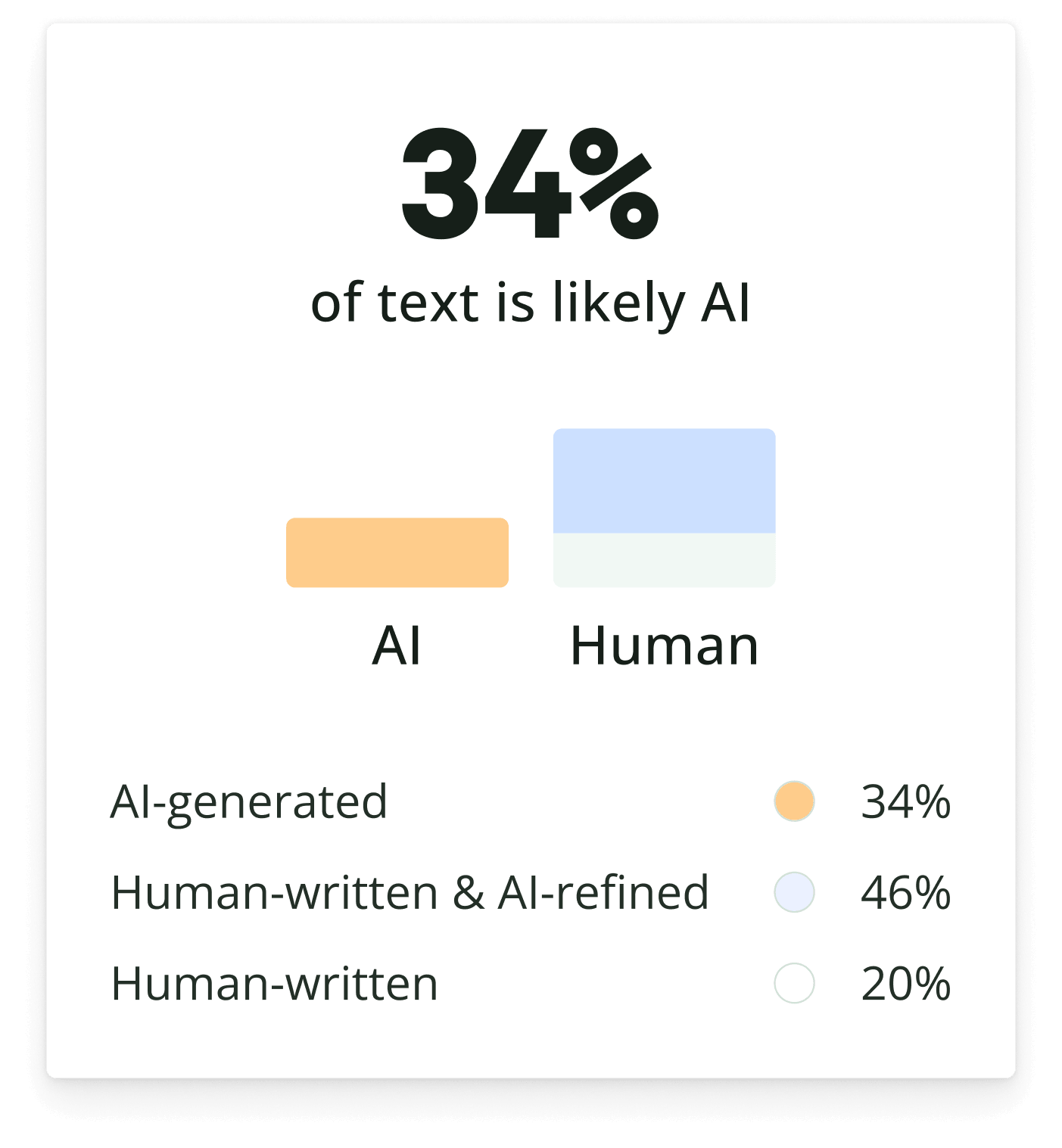
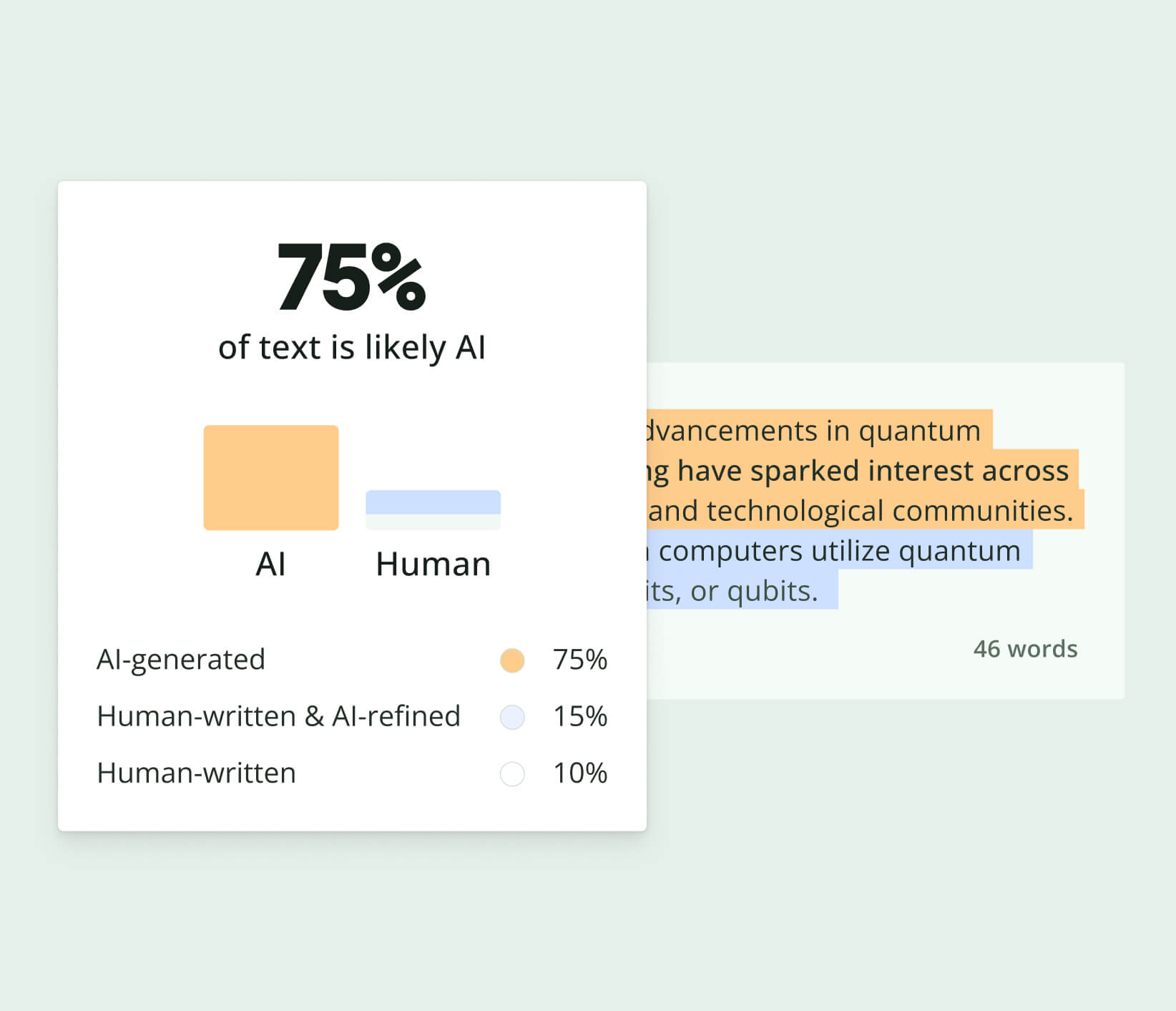
Reading a blog post and struggling to say if it has been AI-generated? Try out QuillBot AI Detector for free.

Continue reading: How to Write a Blog Post (Easy Guide With Examples)

What Is UX Writing? | A Beginner’s Guide

UX writing is the practice of creating the text users see and interact with in apps and websites. This includes things like buttons, error messages, and short descriptions—any element that helps people complete a task (like buying a product) or navigate a website (like finding where to download an ebook).

UX writing example
Instead of a vague “Submit” button that leaves users wondering what happens next, good UX writing says “Download your guide,” making both the action and outcome crystal clear.

Ready to start thinking like a UX writer? Take any confusing button or error message you encountered today and experiment with clearer alternatives using QuillBot’s Paraphraser.

Continue reading: What Is UX Writing? | A Beginner’s Guide

What Is a Haiku? | Format & Examples

A haiku is a traditional Japanese poetic form that, when written in English, typically consists of seventeen syllables arranged in three lines of five, seven, and five syllables, respectively.

Haiku poems characteristically draw images from nature and often include seasonal references. Poets around the world have embraced the haiku format for its simplicity and economical use of language.

Japanese haiku example 
An old silent pond
A frog jumps into the pond—
Splash! Silence again.

“The Old Pond” by Matsuo Bashō

If you are experimenting with haiku yourself, QuillBot’s Paraphraser can help you refine your word choice and keep your language as precise and concise as the form demands.

Continue reading: What Is a Haiku? | Format & Examples

How to Use AI for Story Writing: A Practical Guide

Struggling with writer’s block? Plot tangled beyond repair? AI story generators and story writers, like QuillBot’s free AI Story Generator, are here to help. They are promising tools that use artificial intelligence to generate narratives, break through creative barriers, and untangle plot points.

While they can make writing faster and easier, many writers hesitate to use them, worrying they’ll lose their voice or originality. This concern is understandable but doesn’t have to hold you back. This article will show you how to make the best out of these tools while keeping you and your creative vision in the driver’s seat.

Continue reading: How to Use AI for Story Writing: A Practical Guide

What Is a Sonnet in Poetry? | Definition & Examples

A sonnet is a tightly structured 14-line poem, traditionally written in iambic pentameter and adhering to specific rhyme schemes. The two most common sonnet variations are the Italian sonnet (also called a Petrarchan sonnet) and the English sonnet (also called a Shakespearean sonnet). Sonnets were primarily focused on unrequited love, but also explored other themes, such as the passage of time and human nature.

Sonnet example 
Shall I compare thee to a summer’s day?
Thou art more lovely and more temperate:
Rough winds do shake the darling buds of May,
And summer’s lease hath all too short a date;
Sometime too hot the eye of heaven shines,
And often is his gold complexion dimm’d;
And every fair from fair sometime declines,
By chance or nature’s changing course untrimm’d;
But thy eternal summer shall not fade,
Nor lose possession of that fair thou ow’st;
Nor shall death brag thou wander’st in his shade,
When in eternal lines to time thou grow’st:
So long as men can breathe or eyes can see,
So long lives this, and this gives life to thee.

—“Shall I compare thee to a summer’s day?” (Sonnet 18) by William Shakespeare

Because sonnets rely heavily on precise wording, rhythm, and rhyme, writers often revise their drafts multiple times to capture the perfect balance of form and feeling. Tools like QuillBot’s Paraphraser can help refine your wording while keeping your original meaning intact— ideal for polishing the compact, expressive language sonnets demand.

Continue reading: What Is a Sonnet in Poetry? | Definition & Examples

What Is Slant Rhyme? | Definition & Examples

Slant rhyme, also known as near rhyme or half rhyme, refers to a type of rhyme where words have similar but not identical sounds, like “bait” and “paid.” This creates an imperfect or partial rhyming effect. You’ll often find slant rhyme in poetry, song lyrics, and rap because it gives writers greater freedom to express their ideas and emotions without sticking to the predictability of perfect rhyme.

Slant rhyme examples
worm—swarm
fate—save
sky—tide
lamp—limp

If you’re experimenting with slant rhymes but struggling to find the right phrasing, a tool like QuillBot’s AI Lyric Generator can help you!

Continue reading: What Is Slant Rhyme? | Definition & Examples

A Beginner’s Guide to Evergreen Content

Evergreen content refers to material that remains relevant and useful to your readers for months or years after its publication. Rather than becoming quickly outdated, evergreen content addresses topics people will always search for regardless of seasons, trends, or current events.

Evergreen content example
An article titled “How to Soothe a Crying Baby” is evergreen content because there will always be parents desperately looking for advice at 3 AM, and the soothing techniques remain more or less constant over time. In contrast, “The Hottest Summer Fashion Trends for 2025” is not evergreen. It will quickly become irrelevant once the season changes or fashion moves on.

Evergreen content requires minimal updating to remain useful and continue to attract traffic, engagement, and shares long after it’s published. Because nothing undermines timeless advice faster than timeless typos, make sure your evergreen content is polished and error-free with QuillBot’s Grammar Checker.

Continue reading: A Beginner’s Guide to Evergreen Content

What Is Internal Rhyme? | Definition & Examples

Internal rhyme occurs when words within the same line or in the middle of different lines rhyme with each other, instead of at the end of lines. This creates a subtle, musical effect and adds rhythm without the predictability of end rhyme.

Internal rhyme example in Macbeth by William Shakespeare
Double, double toil and trouble,
Fire burn and cauldron bubble,
Fillet of a fenny snake,
In the cauldron boil and bake;

You’ll often find internal rhymes in song lyrics, rap, nursery rhymes, and all kinds of poetry, both classic and contemporary.

Have questions about rhymes or writing techniques? Ask QuillBot’s AI Chat or AI Lyric Generator for instant, insightful answers and creative ideas for phrasings with internal rhyme!

Continue reading: What Is Internal Rhyme? | Definition & Examples