If you’re running a business, working as a freelancer, or managing a team, you’re likely familiar with the challenges of consistently hitting targets and meeting deadlines. Plus, the more projects you take on, people you hire, or revenue you earn, the processes behind your operations become critical to ongoing success.
Yet, in the daily rush to get things done, it’s not always easy to spot the bottlenecks or redundant steps in the way you work. That’s where workflow optimization comes in. It offers a systematic process to increase efficiency, cut unnecessary costs, and free up space to produce your highest-quality work.
In this guide, you’ll learn exactly how to apply workflow optimization to your existing operations, find real-world scenarios that bring its benefits to life, and get helpful tools for productivity and more.
TipSave hours of work with Quillbot’s Summarizer tool, which can summarize lengthy texts in seconds.
Key takeaways
Optimize workflows to boost productivity and reduce costs. Identify bottlenecks, redundant steps, and unnecessary tools to improve efficiency, work quality, and team collaboration.
Map, simplify, and standardize processes. Document existing workflows, then eliminate unnecessary steps, combine tasks, rearrange activities to prevent delays, and establish clear guidelines.
Use automation and pull-based systems to work smarter. Automate repetitive tasks, trigger work based on actual progress or feedback, and run independent tasks in parallel to reduce delays and avoid unnecessary work.
Test, monitor, and continuously improve. Pilot workflow changes on a small scale, track results, and refine processes regularly to ensure they save time and deliver lasting benefits.
Productivity can be a pretty nebulous concept. Typically, it means you’re able to manage your time and get things done effectively. Yet, this qualitative description doesn’t exactly help you to do things like calculate your hourly rate, evaluate your team’s efficiency, or decide the budget for next quarter.
That’s where a productivity calculator can come in handy. It helps quantify productivity by measuring output against the time and resources that go into it. In this guide, you’ll learn more about what a productivity calculator is, reasons to use it, and common formulas you can apply to meet your metrics needs.
Boost your productivity with time-saving tools like Quillbot’s free Summarizer, which can pull the key points from lengthy texts in seconds.
Key takeaways
A productivity calculator measures efficiency by comparing output (such as tasks completed or revenue generated) with input (such as hours worked, labor, or costs).
Use it to track performance, calculate hourly rates, identify time-saving opportunities, and plan budgets based on measurable results rather than guesswork.
Apply formulas to your specific needs: Productivity = Output ÷ Input; freelancer hourly rate = Total Amount Billed ÷ Total Hours Worked; and healthcare productivity percentage = (Billable Minutes ÷ Total Time Worked) × 100.
Improve efficiency with practical insights: Freelancers can set informed rates, healthcare professionals can track billable time, and businesses can evaluate revenue per labor hour to optimize team performance and budgets.
Staying productive can feel like a daunting state only achieved by people who have it all together. Yet, productivity is attainable to anyone. You just need to find the right strategies and mindset shifts that work for you and your needs.
It’s all about understanding your way of working, cutting down on overwhelm, and implementing the right time-saving tools. This guide covers 10 helpful productivity tips that are bound to make accomplishing your goals much easier.
With the help of Quillbot’s free Summarizer tool, you can save time on sifting through lengthy documents and long emails—so you can focus on the tasks that matter.
Key takeaways
Prioritize your most important task: Start with the task that would make your day successful, ideally when your energy and focus are highest, rather than trying to tackle everything at once.
Structure your time and tasks: Use time blocking, group similar tasks, and keep your to-do list streamlined to reduce overwhelm and make focused work easier.
Protect your focus: Limit distractions such as your phone, social media, and clutter, while taking short breaks to maintain your attention and energy throughout the day.
Build sustainable productivity habits: Plan ahead, automate repetitive tasks, use accountability when helpful, and focus on consistent progress rather than pushing yourself toward burnout.
A productivity recipe is a personalized set of practices and methods used to yield your best work. Like a recipe in cooking, it defines the ingredients of productivity success for you and the order of steps to take to produce consistent results.
This guide covers simple steps and tips on how to develop a productivity recipe that works for you. You can also get help generating a personalized productivity recipe with Quillbot’s AI Chat.
Key takeaways
A productivity recipe is a personalized, repeatable system of habits, routines, and time-allocation practices designed to help you consistently do your best work.
Start by auditing your working style, energy levels, blockers, distractions, and goals so you can build a system around what actually works for you.
Create your recipe with a morning trigger, one daily priority, protected deep-work time, and realistic task scheduling. The 3-3-3 method offers one simple structure: three hours of focused work, three time-sensitive tasks, and three maintenance tasks.
Review and refine your recipe regularly: end the day with a short reset, plan realistically for tomorrow, and build in recovery time to maintain consistent productivity without burning out.
Most of us are well acquainted with procrastination, staggering to-do lists, and the sense that there simply aren’t enough hours in the day. If you’re looking to step off the hamster wheel and actually get ahead on achieving your goals, you’ve come to the right place.
Whether you’re tired of receiving shocking weekly screentime notifications on your phone, or you just want to stop feeling like you’re perpetually behind—this guide will help you achieve meaningful productivity success.
Create a personalized plan for productivity success with the help of Quillbot’s AI Chat.
Key takeaways
Define what productivity success means to you by setting clear short-, medium-, and long-term goals that give your daily efforts direction.
Use simple systems to manage your time and focus, such as tackling your most important task first, working in focused blocks with breaks, prioritization, and limiting digital distractions.
Build small, repeatable habits that work with your energy, using easy wins, work-from-home rituals, automation, and strategies that make procrastinated tasks easier to tackle.
Choose consistency over intensity by setting realistic expectations, taking regular breaks, and building a sustainable approach to productivity that helps you avoid burnout.
Slow productivity is a philosophy that challenges traditional ideas of productivity. Instead of focusing on getting as many tasks done as possible in a short amount of time, it aims to work at a sustainable pace. The goal is to take on fewer projects at once and prioritize the quality of output.
The term was coined by American computer scientist and author Cal Newport. In his 2024 book, Slow Productivity: The Lost Art of Accomplishment Without Burnout, he writes about how professionals are able to deliver meaningful, high-quality work without the constant pressure or burnout.
TipSave time on your rewrites with Quillbot’s free Paraphraser tool.
Many of us have experienced the feeling of not having enough hours in the day or enough days in the week. When life gets busy and there’s a lot you want to accomplish, it can feel like you’re constantly operating at a time deficit where you find yourself rushing.
Yet, there are ways to fit everything in while simultaneously lowering your stress. That’s because time management is a skill that can be learned and honed. In this guide, you’ll discover time management techniques that work—whether you’re a business builder with lofty career ambitions or a community-oriented creative trying to manage multiple sources of inspiration at once.
Save time on reading and research with the help of Quillbot’s free Summarizer, which can pull the key points from long texts for you.
Key takeaways
This guide shows how to manage your time more effectively by prioritizing the right tasks, improving focus, and reducing stress.
You’ll learn practical techniques like the Eisenhower Matrix, the 3-3-3 rule, the Pomodoro Technique, and “eat the frog” to help you work smarter, stay organized, and make steady progress on what matters most.
At one point or another, many of us have experienced receiving appalling weekly screentime notifications. With so many apps and interfaces designed precisely to keep us hooked, each day can feel like a battle of will to get things done without losing hours to scrolling.
If you can relate, this guide was designed to help. It breaks down strategies for how to reduce screen time that are simple and mostly free.
Create a personalized screen time reduction plan that factors in your specific circumstances and goals with the help of Quillbot’s AI Chat.
Key takeaways
If you’re looking to spend less time on your phone or other devices, this guide offers practical, low-cost strategies to help you build healthier screen habits.
You’ll learn how to assess your current screen time, set realistic goals, create friction with tools like app limits, grayscale mode, and notification settings.
Discover ways to redesign your environment with phone-free spaces and offline activities to make reducing screen time easier and more sustainable.
Thanks to its potential for flexibility, accessibility, and free time, many employees worldwide have stuck to remote work in the wake of the Covid-19 pandemic. According to a report by Zoom, a whopping 84% of workers report that they are more productive outside the traditional office setup. Yet, things have continued to change since 2020, as AI becomes more integrated into work processes in ways that open new possibilities as well as challenges and risks.
This guide covers the latest productivity trends of 2026 for remote work as the landscape keeps shifting at a rapid pace. Business builders can find a snapshot of the current state of remote work, what’s likely to come in the future, and learn how you can get the most out of the latest productivity hacks.
TipHow this guide was created
Below you’ll find data from reports by leading firms and forerunning research in the remote work space—including Zoom, McKinsey, and Stanford—all gathered in one place. This guide compiles key trends as a touchpoint into the current state of remote work and productivity.
Key takeaways
Hybrid work is emerging as the new standard, balancing flexibility with the collaboration, mentorship, and connection benefits of in-person work.
Productivity is increasingly measured by outcomes rather than hours, with organizations focusing on results and impact instead of time spent online.
AI and automation are transforming remote work, helping teams eliminate repetitive tasks, streamline workflows, and spend more time on strategic, creative, and high-value work.
Employee wellbeing, focus time, and asynchronous collaboration are becoming productivity priorities, helping distributed teams reduce burnout, protect deep work, and work more effectively across locations and time zones.
Maintaining productivity can be an uphill battle. This can lead to frustration and feeling inadequate, not to mention the anxiety of procrastination. From the 5am club to expensive gadgets, the internet is flooded with all sorts of productivity hacks claiming to turn everything around.
This list is made by and for real people looking for more balance and support in getting stuff done, with minimal suffering. No waking up at the crack of dawn, or treating yourself like a machine—just simple tried-and-tested productivity hacks that work. A lot of them are easy to implement, and most of them are completely free.
If you’re looking for ways to make your work more time efficient, try Quillbot’s free Summarizer, which helps you read and understand documents in a fraction of the time.
Key takeaways
Productivity doesn’t require extreme routines, expensive tools, or pushing yourself to burnout. Instead, sustainable productivity comes from simple habits.
Productivity hacks include focusing on a short list of essential tasks, limiting phone and notifications, completing quick tasks immediately to build momentum, and using deep-work sessions to fully concentrate.
Ultimately, the most effective productivity systems prioritize balance, consistency, and realistic habits that help you work efficiently without sacrificing long-term well-being.
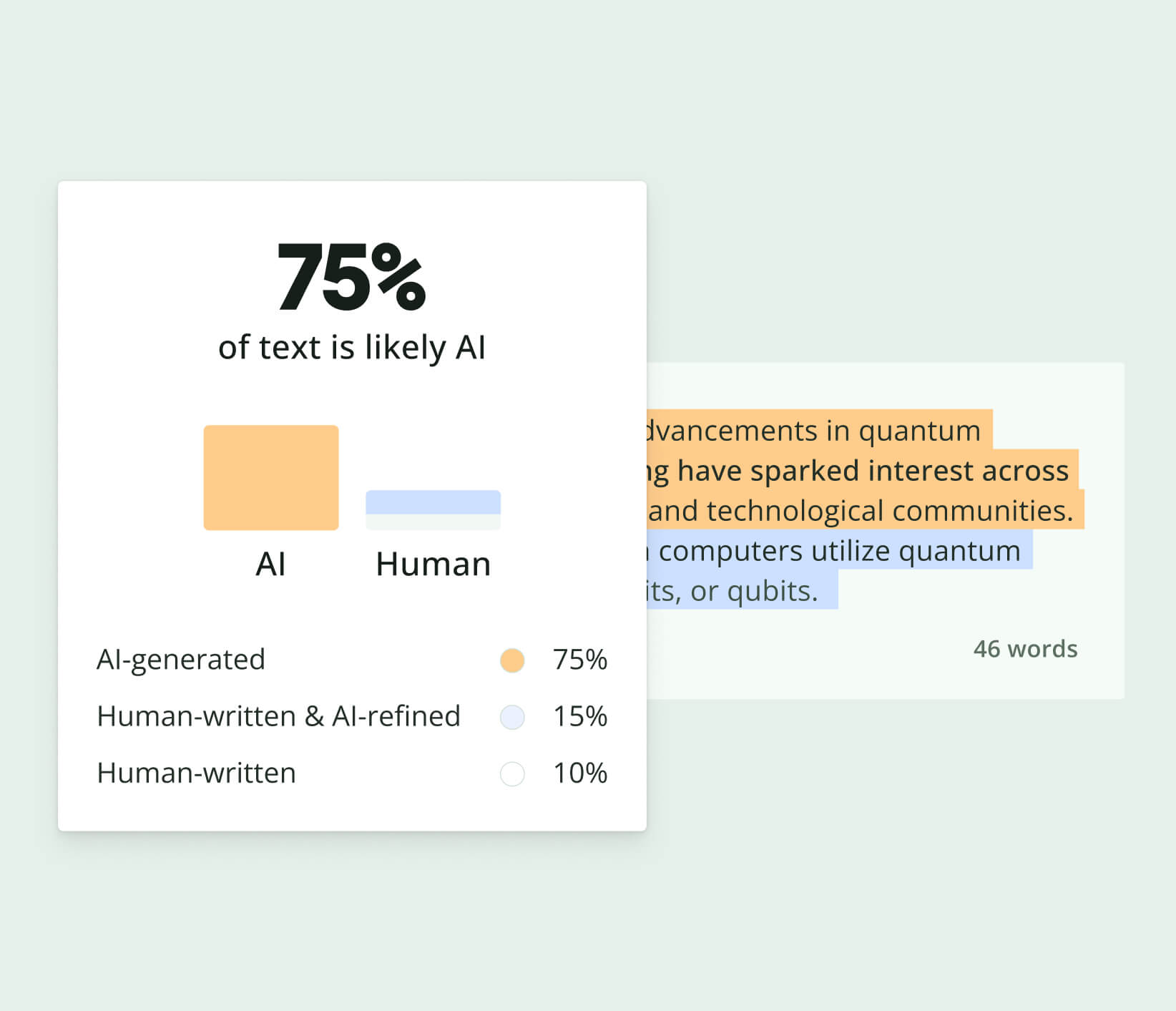
Work smarter with Quillbot’s AI Detector. Quickly assess whether text appears
AI-generated or human-written before publishing or submitting your content.
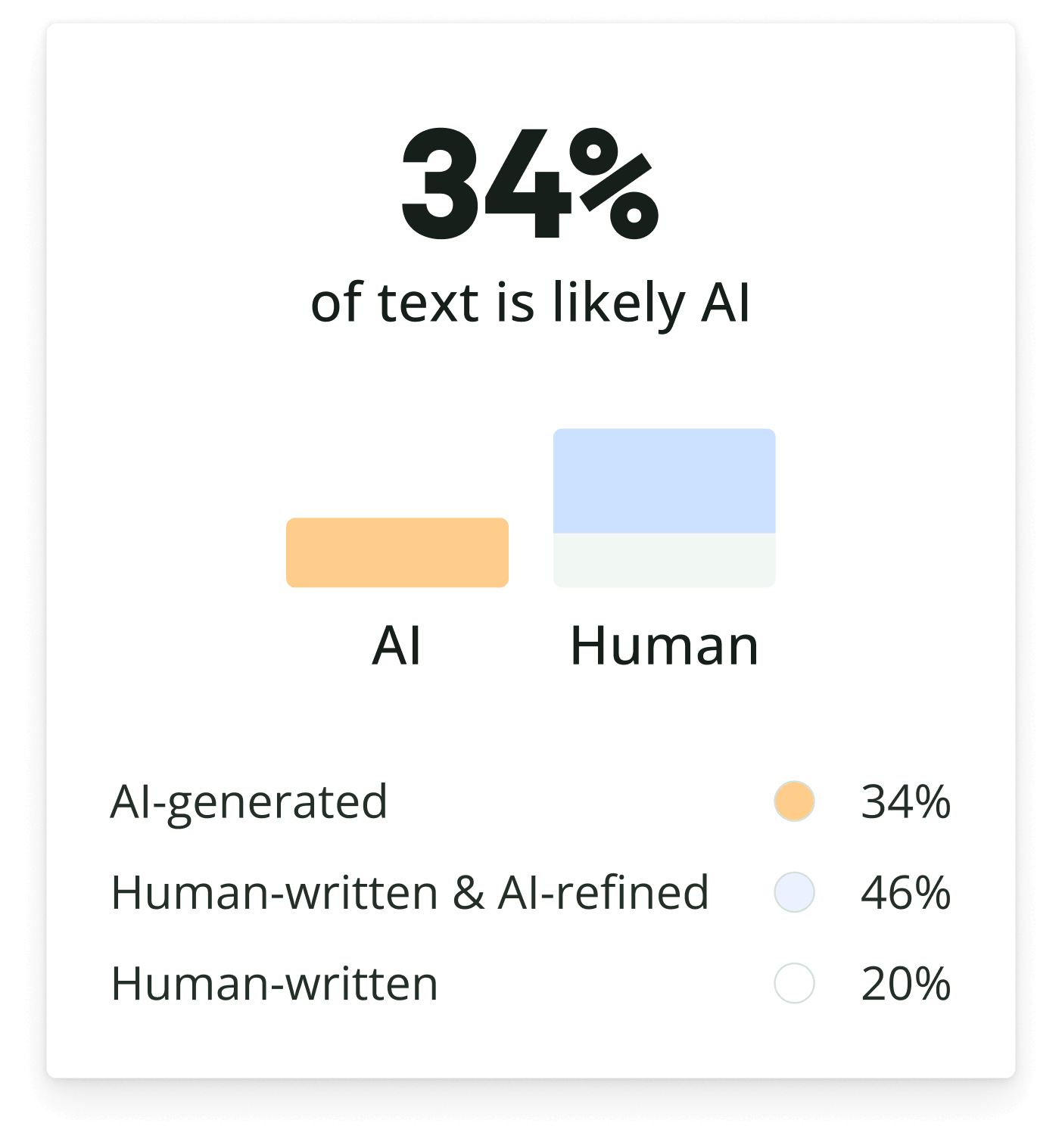
Work smarter with Quillbot’s AI Detector. Quickly assess whether text appears
AI-generated or human-written before publishing or submitting your content.