
Off-White Color Meaning | Connotations, Shades & Hex
The color name off-white describes shades of white with very subtle undertones of gray, yellow, or other colors. These undertones can give off-white a warmer, cooler, or more muted appearance than pure white.
This article explores the meanings you can express with off-white and presents a range of different shades of off-white along with their color codes.
Quillbot’s free Color Palette Generator can identify the color codes in an inspiring image featuring a shade of off-white that you like.
Key takeaways
- Off-white describes shades of white with subtle undertones of other colors.
- Off-white symbolizes simplicity, calmness, and understated elegance. Warm shades can evoke comfort and softness, while cool shades can convey freshness and serenity.
- Off-white commonly functions as a versatile neutral in palettes.
Continue reading: Off-White Color Meaning | Connotations, Shades & Hex
Color Palettes | How-To Guide With Examples
Color palettes help create a cohesive design or brand identity by bringing together colors that convey a particular mood, style, or personality, work well together visually, and serve specific design roles.
This article provides practical tips for creating a color palette, including insights from color theory, illustrated with a variety of example palettes.
To use the colors in an inspiring image as the starting point for your own palette, upload it to Quillbot’s free Color Palette Generator to identify the color codes.
Key takeaways
- A color palette is a selection of colors that work together to create a cohesive visual design or brand identity.
- When creating a color palette, consider the mood or style you want to convey, the number of colors you need, and the role each color will play.
- Color theory can help you select colors that harmonize or contrast, including analogous, complementary, and monochromatic combinations.
- The proportions in which you use colors can significantly affect the overall look and feel of a design. The 60-30-10 rule is one guideline for achieving visual balance.
Continue reading: Color Palettes | How-To Guide With Examples
Blue-Gray Color Meaning | Connotations, Pairings & Hex
The color name blue-gray describes colors perceived as shades of blue with gray undertones or shades of gray with blue undertones. It overlaps with color names like steel blue, slate gray, and dusty blue.
This article explores the meanings that the color blue-gray can communicate, presents a selection of blue-gray shades with their color codes, and shows the effects you can create by combining blue-gray with other colors.
If you’ve found an inspiring image featuring a shade of blue-gray, upload it to Quillbot’s free Color Palette Generator to identify its color code.
Continue reading: Blue-Gray Color Meaning | Connotations, Pairings & Hex
Bright Orange Color Meaning | Connotations & Pairings
The color name bright orange describes highly saturated shades of orange that can bring an impactful, vibrant energy to your project.
Read on to discover the meanings you can convey with bright orange, explore different shades and their hex codes, and find colors that pair well with bright orange.
If you’ve found an image featuring a shade of bright orange you like, upload it to Quillbot’s free Color Palette Generator to identify the color codes in its palette.
Key takeaways
- Bright orange can create a lively, upbeat feel, draw attention to important elements, and add warmth and visual impact.
Continue reading: Bright Orange Color Meaning | Connotations & Pairings
Neon Green Color Meaning | Connotations & Palettes
The color name neon green describes extremely bright shades of green that often lean slightly toward yellow. It overlaps with color names such as fluorescent green, electric green, lime green, and chartreuse.
This article explores the meanings associated with neon green, illustrates a range of neon green shades with their color codes, and provides examples of neon green color palettes to give you inspiration for your own designs.
You can use Quillbot’s free Color Palette Generator tool to identify the color codes in an image featuring a shade of neon green that you like.
Key takeaways
- Neon green describes extremely bright shades of green that often lean slightly toward yellow.
- Neon green is associated with energy, boldness, visibility, technology, and futuristic design.
- Neon green works especially well as an accent color
Continue reading: Neon Green Color Meaning | Connotations & Palettes
Burnt Orange Color Meaning | Connotations & Palettes
The color name burnt orange describes deep, red-leaning shades of orange that offer a richer, earthier alternative to brighter shades of orange.
This article explores the meanings you can convey with burnt orange, shows how to combine it with other colors, and presents a range of burnt orange shades with their hex codes.
To identify the color codes in an image with a burnt orange color scheme, upload it to Quillbot’s free Color Palette Generator.
Key takeaways
- Burnt orange is a deep, red-leaning orange associated with warmth, earthiness, confidence, and 1970s nostalgia.
- Burnt orange can work well in retro, earthy, and contemporary color palettes
Continue reading: Burnt Orange Color Meaning | Connotations & Palettes
Rose Gold Color Meaning | Connotations, Pairings & Hex
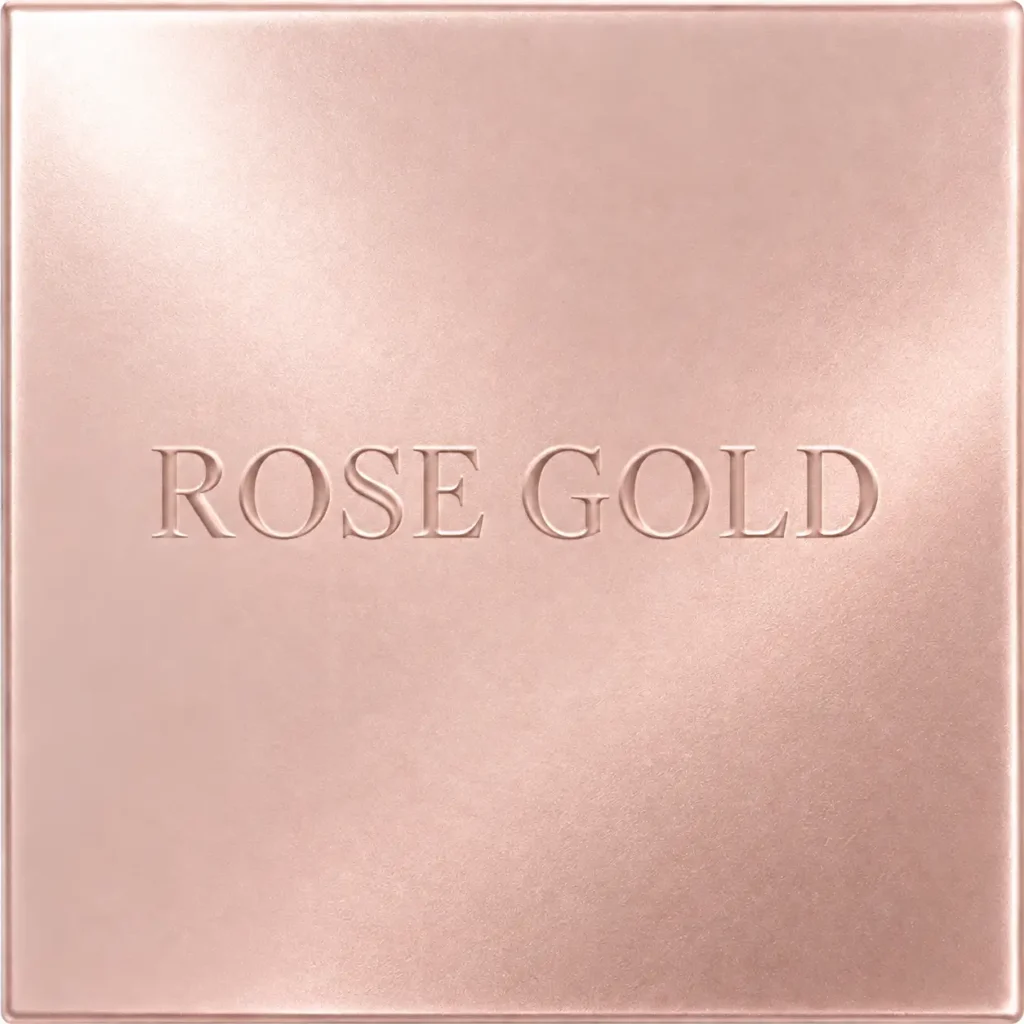
The color name rose gold describes muted shades of pink with a subtle warm brown undertone. It gets its name from the precious metal rose gold, which is an alloy of gold and copper used in jewelry making. Products described as rose gold typically have a metallic or shiny finish.
If you’ve found a shade of rose gold you like in an image and want to identify its color code, upload it to Quillbot’s free online Color Palette Generator.
Key takeaways
- Rose gold is a muted pink with warm copper undertones.
- Rose gold is associated with luxury, elegance, sophistication, warmth, and softness.
Continue reading: Rose Gold Color Meaning | Connotations, Pairings & Hex
Hot Pink Color Meaning | Connotations, Pairings & Hex
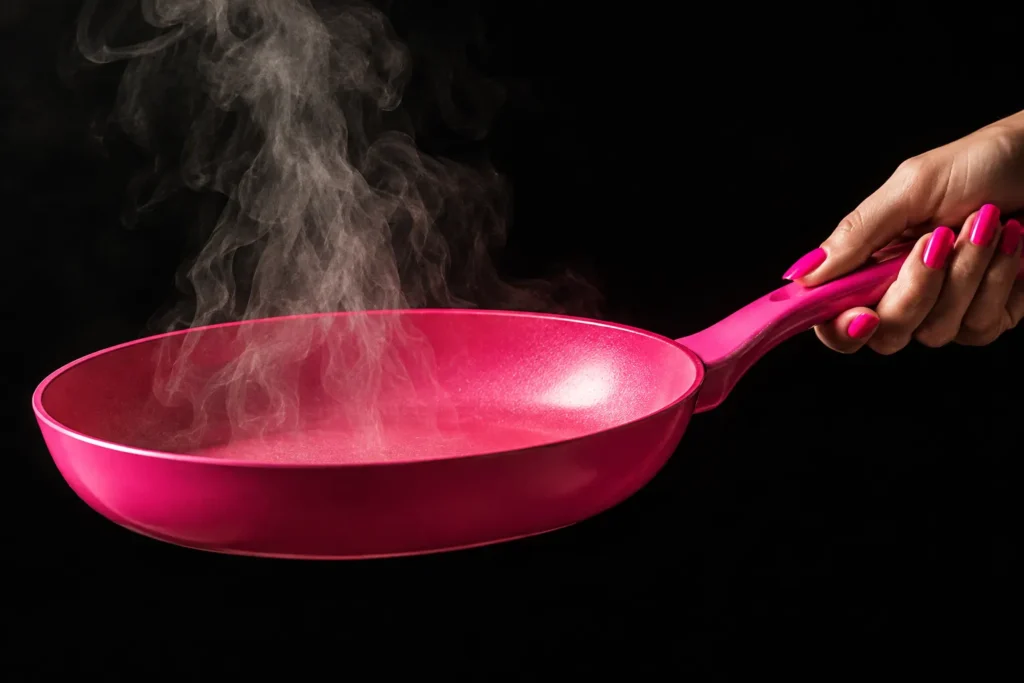
The color name hot pink describes bright, highly saturated shades of pink and can overlap with color names including fuchsia, magenta, shocking pink, and neon pink.
Read on to explore the meanings you can convey with hot pink, browse different shades and their color codes, and see the effects you can create by pairing hot pink with other colors.
To identify the hex codes of an image featuring a shade of hot pink, upload it to Quillbot’s free online Color Palette Generator.
Key takeaways
- Hot pink is a bright, highly saturated pink associated with energy, confidence, playfulness, and bold self-expression.
- Hot pink can create visual impact, add energy and personality, or provide a vivid accent against neutral, muted, or darker colors.
- Hot pink goes well with colors such as black, white, electric blue, cobalt blue, turquoise, purple, orange, red, lime green, and silver.
Continue reading: Hot Pink Color Meaning | Connotations, Pairings & Hex
Tan Color Meaning | Connotations, Palettes & Code
Tan can work as a warm neutral in a color palette or take a more prominent role to evoke qualities such as craftsmanship, comfort, and a connection to nature.
Read on to explore the meaning of tan, browse different shades of tan with their color codes, and find ideas for colors that pair well with tan.
Quillbot’s free online Color Palette Generator can identify the color codes of the main colors in an image with a tan color scheme.
Key takeaways
- Tan is a pale to medium-light brown
- The color name tan is associated with naturalness, simplicity, and authenticity
Continue reading: Tan Color Meaning | Connotations, Palettes & Code
Taupe Color Meaning | Connotations, Palettes & Hex
Taupe is a versatile neutral that can bring warmth or a calm earthiness to a color palette.
Read on to explore the meanings associated with taupe, browse different shades with their color codes, and see how taupe works alongside a range of other colors.
If you’ve found a taupe color scheme you like in an image, upload it to Quillbot’s free Color Palette Generator to identify the color codes in its palette.
Key takeaways
- Taupe is a muted neutral that sits between gray and brown.
- Taupe can convey calm, sophistication, stability, and natural warmth.
- Taupe pairs well with both warm and cool colors, including forest green, navy blue, terracotta, dusty rose, teal, and aubergine.
Continue reading: Taupe Color Meaning | Connotations, Palettes & Hex
Do it all with Quillbot
Write better and faster
Quillbot’s free Paraphraser helps you rephrase sentences and paragraphs to strike the right tone.
Whether you’re writing marketing copy or a social media post, use our paraphrasing tool to find just the right words.
Try Paraphraser now