“Curriculum vitae” means “course of one’s life” in Latin.
A curriculum vitae—also known as a CV—is a detailed summary of a person’s academic and professional history. It’s different from a resume, which is a shorter summary tailored to a specific job application.
When writing a CV or resume, make sure it’s free of spelling and grammar errors with Quillbot’s Grammar Checker.
To achieve this purpose of a cover letter introduction, you also need to use impeccable grammar and punctuation. Quillbot’s free Grammar Checker can help you do just that.
A maximum of 10–15 years of employment should be on a resume. The number of years on the job posting (e.g., “5–7 years of sales experience”) can also determine how far back a resume should go.
Your resume should only include past jobs that are relevant to the job you’re applying for.
Focus on jobs where you used the skills that are listed on the job posting. If you have more than 10–15 years of relevant experience, omit earlier jobs to achieve the ideal 1–2 page resume length.
However far back your resume goes, make sure it’s free of errors. Quillbot’s free Grammar Checker can help you do just that.
You should also make sure your resume is free of spelling and grammar errors, so that the ATS’s AI can easily read it. Quillbot’s free Grammar Checker can help you do just that.
The KIS formula for resume writing refers to “Keep It Simple.” This formula emphasizes clarity, conciseness, and relevance to make sure your resume makes an impact.
When using the KIS formula to make a resume, keep it short, structured, specific, relevant, and error-free.
Use Quillbot’s free AI Resume Builder to help you create concise, well-organized resumes tailored to the role you’re applying for.
A suffix on a job application refers to any title or distinction added to your name, such as “Jr.” or “III.” This is typically listed in the personal details section and helps identify individuals. While not always required, if you have a suffix, it’s important to include it correctly on your resume, cover letter, and letter of interest. This small detail ensures your name is presented accurately and avoids any potential confusion during the hiring process.
“Referred” on a job application means you were recommended for the role by someone, usually a current employee or a professional contact. This can be a great way to strengthen your application. In your cover letter or letter of interest, mention the person who referred you and how they encouraged you to apply. This can make your application stand out and increase your chances. Be sure to highlight any relevant skills on your resume that were mentioned during the referral conversation to emphasize your fit for the role. Quillbot’sParaphraser can help you find the best phrasing to do this.
Some soft skills examples for students include teamwork (acquired through group projects), presenting, critical thinking, problem-solving, and time management (acquired through balancing college work and other commitments).
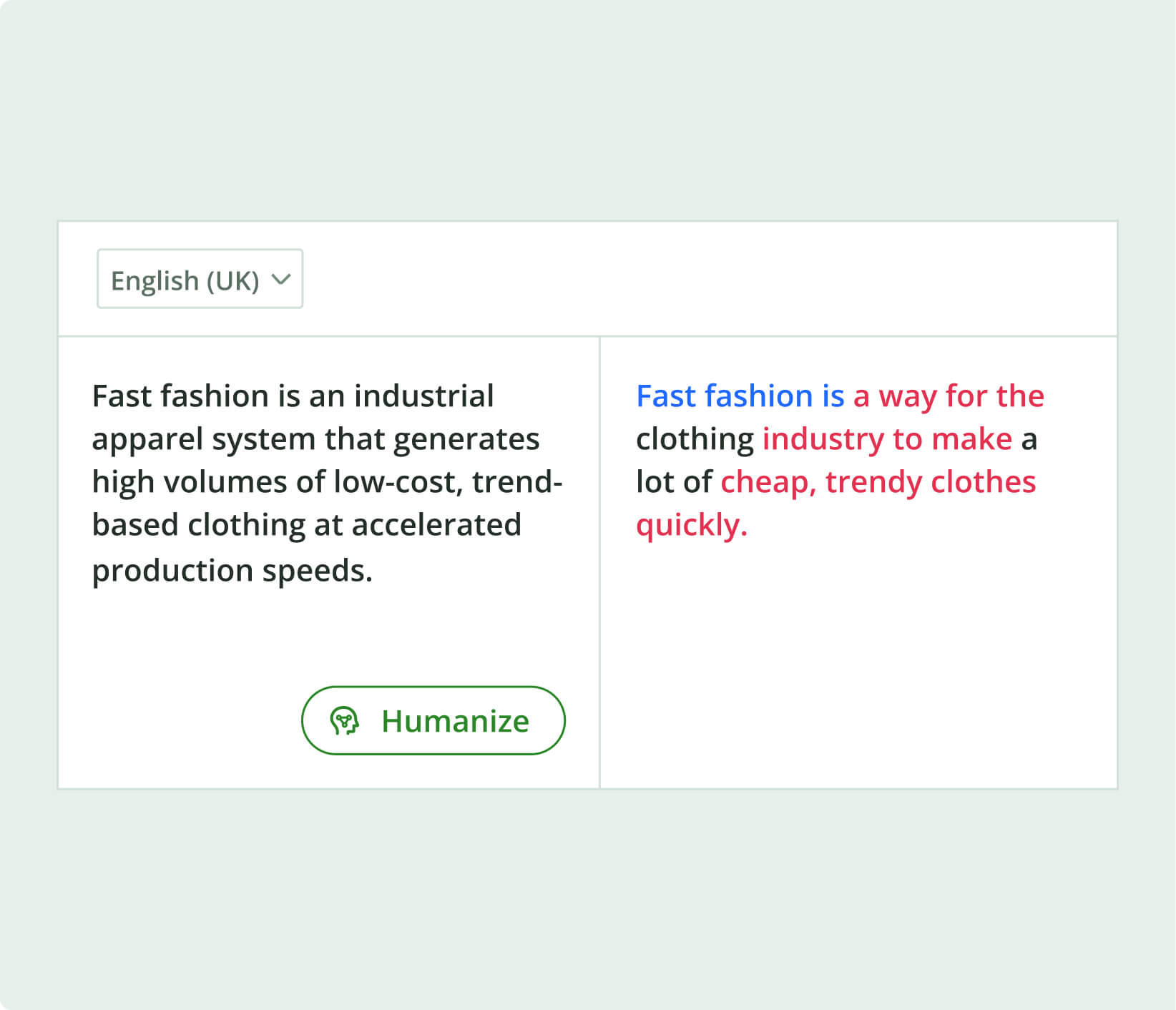
Quillbot’s free AI Humanizer helps you create engaging, natural-sounding copy. It smooths awkward phrasing and removes common AI giveaways, so every draft sounds more like you. After all, natural writing is in.
Quillbot’s free AI Humanizer helps you create engaging, natural-sounding copy. It smooths awkward phrasing and removes common AI giveaways, so every draft sounds more like you. After all, natural writing is in.