Scaffolding is one of the most effective teaching strategies because it systematically fills the gap between what your students can do now and what you’re teaching them to do next.
Without scaffolding, students often have to perform a skill before they have the knowledge or strategies needed to succeed. Scaffolding breaks that skill into manageable steps, gives students opportunities to practice with support, and helps them build the confidence and independence they need to eventually do the work on their own.
Scaffolding can take many forms, from modeling a skill step-by-step to giving students a template, checklist, or guiding questions. The key is that the support is temporary and targeted, and students gradually take on more responsibility.
TipLearning about scaffolding for a college class or a teaching job? Ask Quillbot’s AI Chat to show you examples and beginner-friendly resources.
Key takeaways
Scaffolding provides temporary support that helps students develop skills they can eventually perform independently.
Effective scaffolding targets specific learning gaps rather than simply giving students more help when they struggle.
Teachers can scaffold learning in many ways, including modeling, chunking, graphic organizers, guided questions, sentence frames, and collaborative activities.
Scaffolds should gradually fade as students become more proficient, transferring responsibility from the teacher to the student.
A formative assessment is an assignment or activity that helps you monitor students’ progress and align your lesson plans to their needs. Unlike a test or project at the end of a unit, a formative assessment gives you information while students are still learning. It shows you what to teach next, which skills to review, and which students may need additional support.
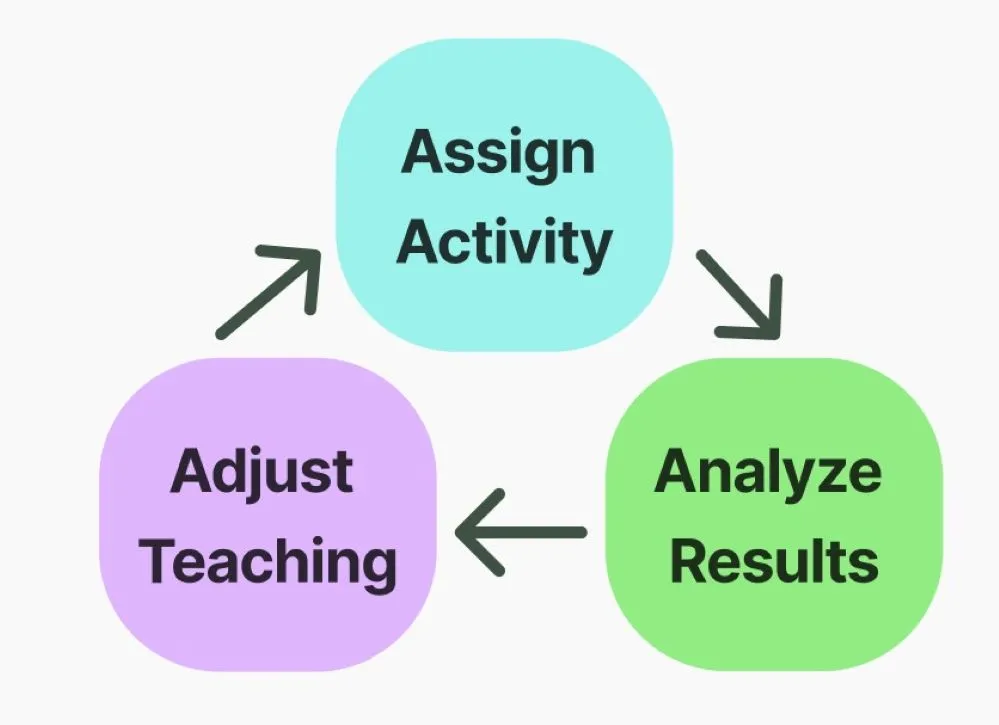
The formative assessment process generally follows three steps:
Assign an activity
Analyze the results
Adjust future instruction
The most common examples of formative assessment include homework assignments, class discussions, quizzes, and informal writing prompts.
TipNeed ideas for your next formative assessment? Quillbot’s AI Chat can help you brainstorm activities, questions, and prompts tailored to the skills you’re teaching.
Key takeaways
Formative assessment is an ongoing process of checking students’ understanding during learning and using what you learn to guide instruction.
The goal is to identify learning gaps early so you can reteach skills, provide additional support, or move on when students are ready.
Formative assessments can be simple and low-stakes, including homework, quizzes, class discussions, quick writes, and other classroom activities.
The key difference between formative and summative assessment is how and when you use the results: Formative assessments inform instruction during a unit, while summative assessments measure learning at the end.
Lesson planning helps you stay organized, focused, and prepared to support your students. But knowing what to include in a lesson plan and how to leverage your teaching ideas can take some practice.
An effective lesson plan gives you a clear roadmap for teaching your students while aligning the activities with what students need to learn. The most common lesson plan format includes an objective, learning standards, materials, instructional procedures, and an assessment.
This guide covers what to include in a lesson plan and walks you through the process, step-by-step. You’ll also find a free lesson plan template that you can download and adapt for your classroom.
Need help getting started? Quillbot’s AI Chat can help you brainstorm ideas, activities, and assessments based on your learning objectives.
Key takeaways
A lesson plan organizes the objectives, standards, materials, instructional activities, and assessment for a lesson.
Backward design helps teachers plan assessments and instruction around the learning outcomes they want students to achieve.
A lesson plan template can provide a consistent framework for planning and organizing instruction.
An argumentative essay is a type of writing assignment where you take a position on a debatable issue and use reasons and evidence to convince your reader that your position makes sense. It’s one of the most rewarding types of essays because you get to explore an important issue and maybe even change someone’s mind.
Writing an argumentative essay takes practice, but once you know the basic steps, the process becomes more manageable:
Decide what position you want to argue.
Choose the strongest reasons to support your main argument.
Gather evidence to support each reason.
Organize your ideas into an argumentative essay structure that includes:
When it comes to writing essays, you need a systematic way to revise and edit your work. While a revising checklist makes your essay more convincing, an editing checklist makes it look more professional.
Together, these checklists take the guesswork out of improving your first draft. Revising focuses on big picture aspects, like the structure and content, and editing focuses on grammar and punctuation.
This guide breaks down the essay-writing workflow, provides interactive revising and editing checklists you can use right now, and includes a free printable PDF to keep on hand for peer editing workshops and in-class assignments.
Pair these checklists with Quillbot’s Grammar Checker to turn in your best work every time.
Key takeaways
A revising checklist helps you improve your content, and an editing checklist helps you clean up errors.
Use the interactive revising and editing checklists below, or download a free PDF to keep on hand for in-class assignments.
Pairing an editing checklist with a modern grammar checker and an error log helps you make steady improvements over time.
Whether they’re teaching kindergarten, college, art, or physics, effective teachers use 10 essential strategies to create the types of classrooms where learning truly happens.
When teachers use these instructional strategies, they help students build lasting knowledge and skills while addressing barriers to learning. Using these strategies takes practice and expertise, which is why they’re so foundational to teacher-training and professional-development programs.
This guide explains how these core teaching strategies work, why they’re effective, and what they look like in real classrooms. The strategies below follow the complete instructional cycle, from planning lessons to helping students retain and apply what they’ve learned.
TipResearchers are constantly producing new information about how to use these strategies in different types of classrooms. Quillbot’s AI Search is a fast and free way to find articles about new ways to use research-based teaching strategies.
Key takeaways
Effective teaching relies on a combination of instructional strategies rather than a single approach.
The 10 strategies in this guide span the full instructional cycle, from planning and assessment to learning and reflection.
Teachers can adapt these strategies to different subjects, grade levels, student needs, and learning goals.
As the new school year approaches, teachers are setting up their classrooms and searching for fresh back-to-school bulletin board ideas. The first bulletin board of the year is students’ first impression of the classroom culture. In a world where design trends change quickly, today’s classroom displays need to feel both welcoming and visually engaging.
Creating a standout bulletin board comes with challenges. The cost of pre-made kits can add up, and scrolling through countless online designs can be overwhelming during an already busy back-to-school season. That’s why teachers need creative back-to-school bulletin board ideas that are affordable and easy to customize.
This article features 15 back-to-school bulletin board ideas to help teachers create eye-catching displays that engage students from Day 1. Use Quillbot’s free Image Generator to personalize your favorite designs with custom letters, images, and visuals that reflect your teaching style and design preferences.
Key takeaways
Back-to-school bulletin boards help teachers make a positive first impression and get students excited about learning.
The best back-to-school bulletin board ideas combine a clear message, bold visuals, and simple designs that are easy for students to read.
Back-to-school bulletin board ideas include themes ranging from sunshine and space to books to wild animals and retro designs.
A new school year brings new opportunities to create a welcoming learning environment. From classroom websites and parent communications to presentations and printable resources, teachers use visual materials to introduce their classroom style and set the tone for the year ahead.
A back-to-school background is a simple design element that can make these materials feel more polished and consistent. Whether you prefer a colorful classroom theme, a subject-specific design, or a clean minimalist look, the right background can help transform everyday resources into engaging materials for students and families.
Finding a background that fits your exact needs, however, is not always easy. Many online libraries offer generic designs, but they may not match your grade level, teaching style, or classroom theme. With AI design tools like Quillbot’s free Image Generator, teachers can create custom back-to-school backgrounds tailored to their own classrooms.
This guide explores creative ways to use back-to-school backgrounds, explains how to create backgrounds that meet accessibility standards, and provides free backgrounds you can download and use for classroom projects. Back-to-school background from Quillbot’s Image Generator
Key takeaways
Back-to-school backgrounds help create a cohesive, welcoming look across classroom websites, presentations, newsletters, printables, and parent communications.
AI image generators make it easy to create custom back-to-school backgrounds that match your classroom theme, grade level, and teaching style.
Accessible background designs prioritize readability with strong color contrast, open space for text, and minimal visual distractions.
This guide includes practical prompt-writing tips, accessibility best practices, and free downloadable back-to-school backgrounds for classroom use.
For teachers everywhere, the back-to-school season is one of the busiest times of the year. Before students ever step foot in the classroom, teachers are creating classroom websites, school supply lists, welcome letters, and more. To make these materials more engaging and visually appealing, teachers often turn to back-to-school clip art.
While clip art can instantly make classroom materials more engaging, finding clip art that matches your personality or your students’ interests can take hours, especially on websites that offer thousands of different options. That’s where tools like Quillbot’s free Image Generator come in. Instead of sifting through endless clip art libraries, you can create custom back-to-school clip art for free with just a few clicks.
This guide walks you through the different ways to use back-to-school clip art in your classroom and how to prompt AI for classroom clip art that’s just right for you. If you need back-to-school clip art right away, this guide also offers 20 ready-to-use images that you can download for free.
Key takeaways
Back-to-school clip art makes classroom materials more engaging, welcoming, and visually consistent for students and families.
AI image generators let teachers create custom back-to-school clip art in their preferred style instead of searching through large clip art libraries.
Detailed AI prompts that specify the subject, colors, illustration style, and transparent background produce the best classroom-ready clip art.
Different clip art styles help teachers create a classroom aesthetic that matches their personality, teaching subject, or students’ interests.
Back-to-school coloring pages serve many purposes beyond keeping students busy and filling extra time. When done right, they provide valuable insight into students’ interests, developmental skills, and readiness for learning as they settle into new routines. Teachers can use them in first-day-of-school lesson plans to assess fine motor skills, handwriting, and early literacy on the first days of school.
Whether you’re looking for first-day-of-school coloring pages, all-about-me coloring pages, or similar printables for students in pre-K to 2nd grade, the 15 coloring pages below offer a range of fun and engaging back-to-school images.
Quillbot’s free Image Generator can help you create custom coloring pages that are perfectly suited to your students’ needs.
Key takeaways
Back-to-school coloring pages do more than keep students busy. They help teachers assess fine motor skills, handwriting, early literacy, and school readiness in a low-pressure, engaging way.
Choose activities that match your students’ developmental goals. From tracing and name writing to letter recognition, counting, and listening skills, the right coloring pages can support meaningful first-week observations.
Find printable coloring pages for every early elementary grade. Explore 15 free options for Pre-K through 2nd grade, including self-portraits, all-about-me pages, classroom activities, and back-to-school themes.
Create custom coloring pages when you need something specific. Use Quillbot’s free Image Generator to design printables tailored to your classroom, lessons, or students’ needs.
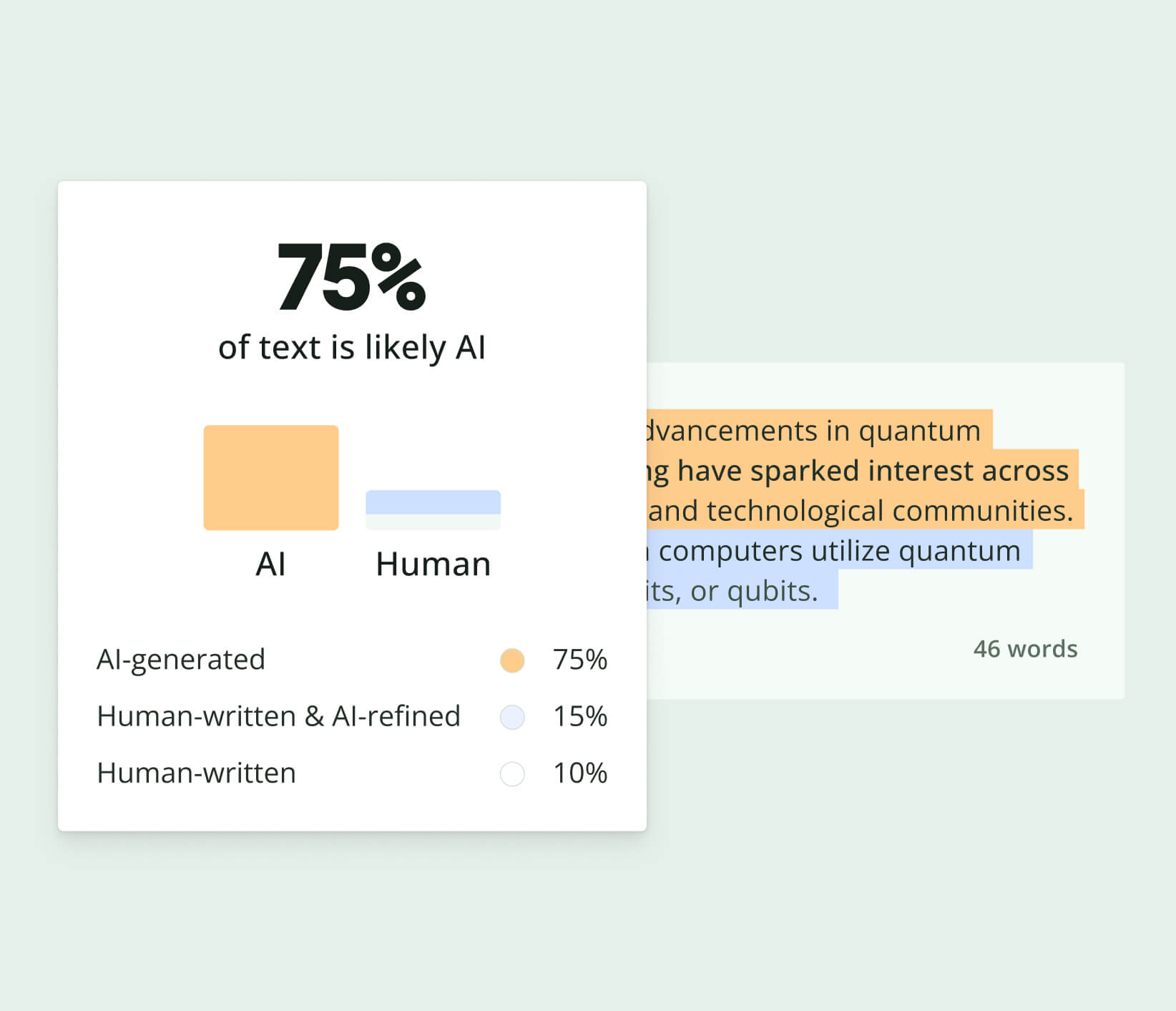
Work smarter with Quillbot’s AI Detector. Quickly assess whether text appears
AI-generated or human-written before publishing or submitting your content.
Work smarter with Quillbot’s AI Detector. Quickly assess whether text appears
AI-generated or human-written before publishing or submitting your content.