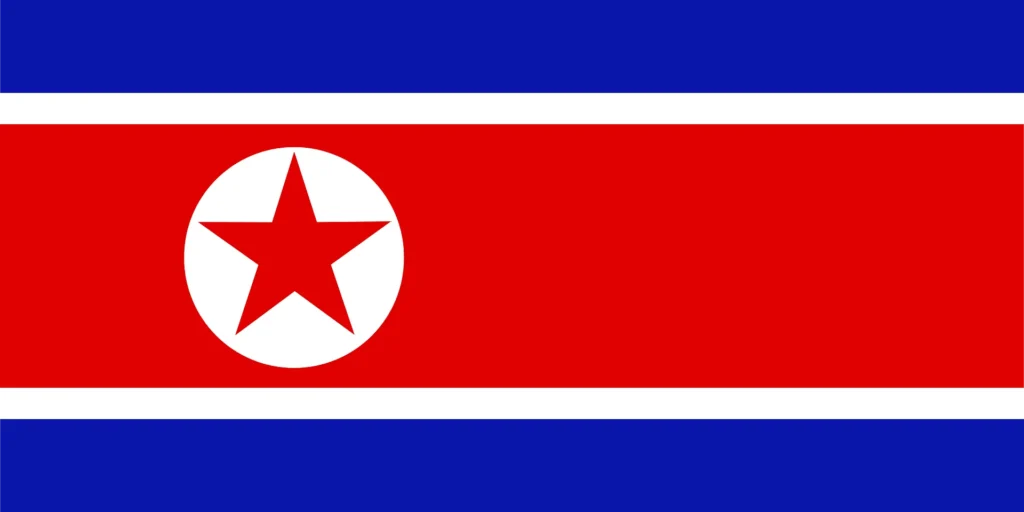
North Korea—officially known as the Democratic People’s Republic of North Korea—is a country in East Asia that was established in 1948. Once unified with South Korea, it split away in the wake of World War II as it became more ideologically aligned with the Soviet Union. Due to official state policy as well as geopolitical relations, North Korea is one of the most secluded countries on earth.
In this guide, we’ll cover the meaning, history, and symbolism behind the flag of North Korea. You’ll also discover some unique facts about North Korean society and culture.
Try Quillbot’s free Image Generator to create custom graphics of your favorite country flags.
Key takeaways
Understand the North Korean flag’s design and symbolism: Its central red panel, white and blue stripes, and red star represent revolutionary traditions, purity and dignity, peace and sovereignty, and socialism.
Explore the flag’s history: Officially adopted on September 8, 1948, it replaced the Taegukgi used in Korea before the peninsula’s division.
Learn surprising facts about North Korean society and culture, including the Juche calendar, restricted internet access, and state-approved hairstyles.
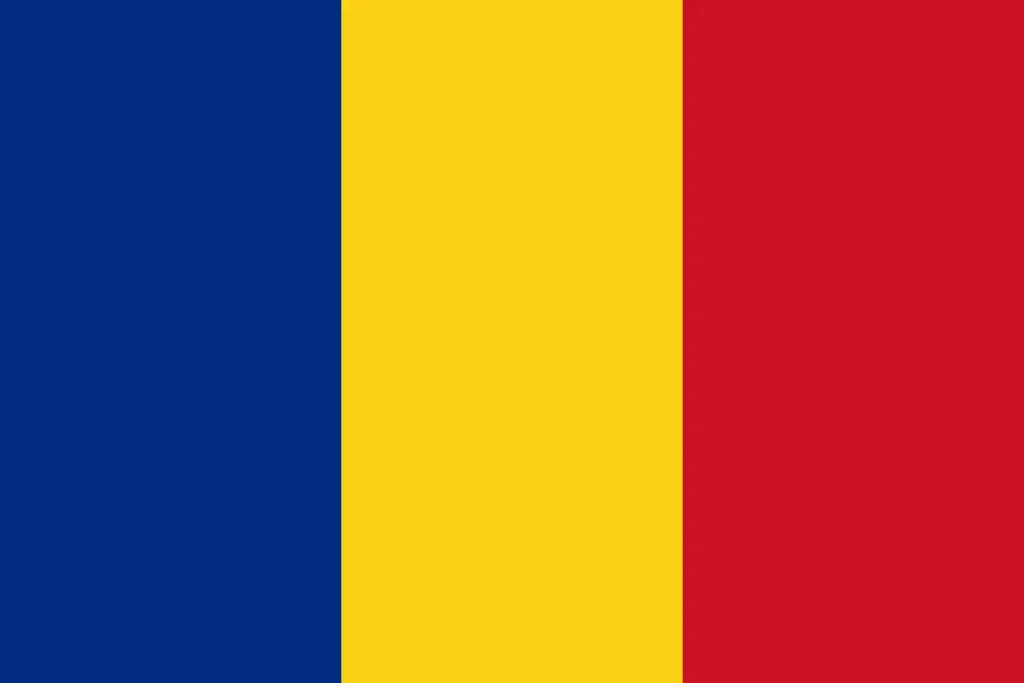
The Romania flag is a tricolor flag featuring three equal vertical bands of blue, yellow, and red. The current version of this flag first appeared in 1867, but it was officially adopted in 1989 after the Romanian Revolution.
This guide walks you through the symbolism and history of the Romanianflag, its close similarity to another world flag, and some fun facts about Romania. Quillbot’s AI Chat can answer more specific questions you have about the flag of Romania.
Key takeaways
The Romanian flag is a blue, yellow, and red vertical tricolor that has represented Romanian identity and self-determination for centuries.
The modern design was officially established in 1867 and restored in its current form in 1989, after protesters removed the Communist coat of arms during the Romanian Revolution.
Each color has a symbolic meaning: blue represents liberty, yellow justice and prosperity, and red fraternity, courage, and sacrifice.
Romania’s flag is famously similar to Chad’s, while Moldova’s flag is based on the Romanian tricolor but features a coat of arms.
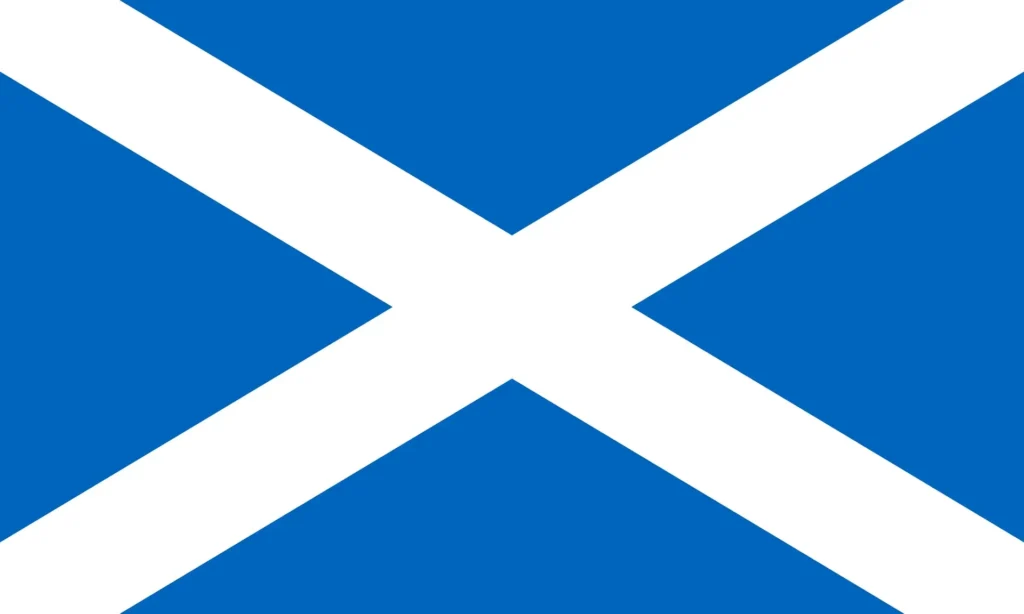
The Scottish flag is the national flag of Scotland, one of the four countries that make up the United Kingdom. It features a white X-shaped cross, or “Saint Andrew’s Cross,” on a blue field. The flag was standardized in 2003, although according to legend, it dates back to 832.
This article outlines the design, symbolism, and history of the Scottishflag and shares some fun facts about Scotland, which has its own unique history and culture apart from that of the U.K.
To learn more about the flag of Scotland or the country itself, ask Quillbot’s AI Chat.
Key takeaways
The Scottish flag, also known as the Saltire or Saint Andrew’s Cross, features a white X-shaped cross on a blue field and is one of Europe’s oldest national flags.
The flag’s design is closely connected to Saint Andrew, Scotland’s patron saint, and a legend dating back to a battle in 832.
Learn how the Saltire developed into Scotland’s national flag, from its earliest recorded uses to its incorporation into the Union Jack.
Discover fun facts about Scotland and its flag, including the country’s national animal, languages, islands, and the meaning behind the Scottish flag emoji.
Colombia is a proud and diverse nation in South America. It is home to remarkable biodiversity and unique geography, along with rich cultural traditions.
In this guide, you’ll discover the history, meaning, and symbolism behind the flag of Colombia. You’ll also learn some fun facts about what distinguishes this nation.
Try Quillbot’s free Image Generator to create custom graphics of your favorite country flags.
Key takeaways
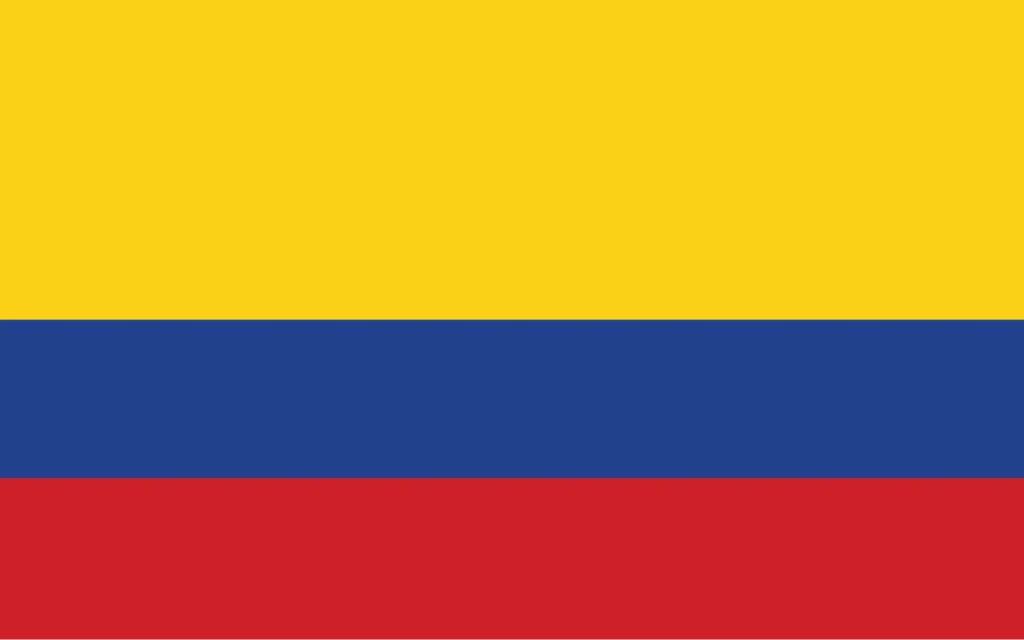
Discover the history and symbolism of Colombia’s horizontal yellow, blue, and red tricolor flag, officially adopted in 1861.
Explore the flag’s origins in Gran Colombia and how its design evolved into the national flag used today.
Get fascinating facts about Colombia’s remarkable biodiversity, natural resources, geography, and cultural identity.
Sudan is a country in Northeast Africa with a rich geography, complex history, and diverse cultural heritage. Thanks to its natural resources and strategic location, Sudan is a nation that has long had great global and regional importance.
In this guide, you’ll discover the meaning and symbolism behind the flag of Sudan, learn about the flag’s history, and find interesting fun facts about the country that may surprise you.
Try Quillbot’s free Image Generator to create custom graphics of your favorite country flags.
Key takeaways
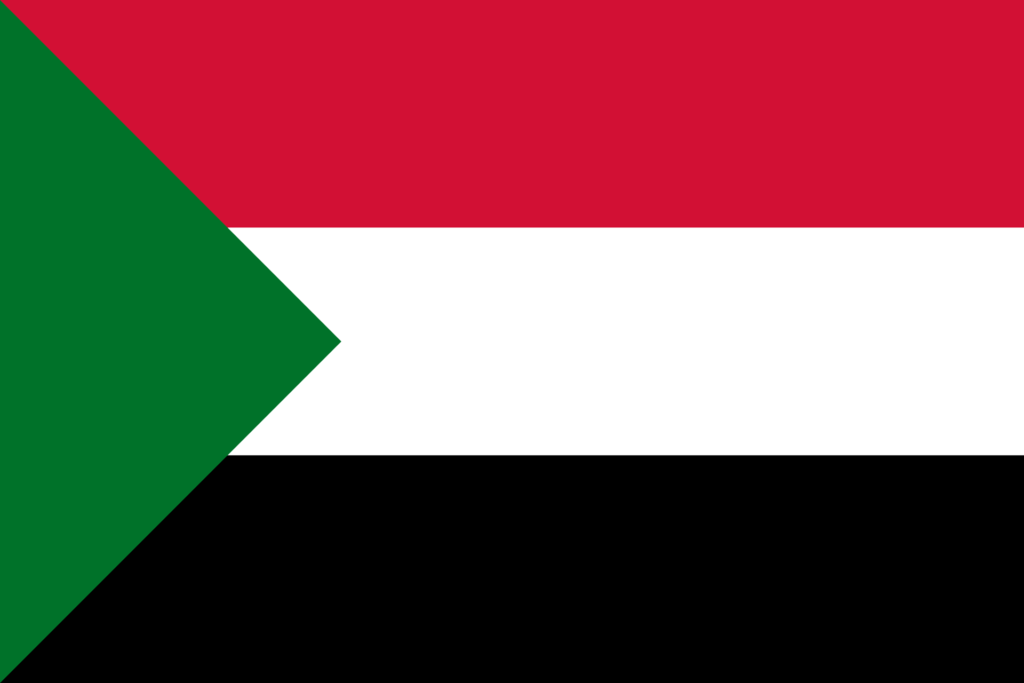
Sudan’s flag, adopted in 1970, features red, white, and black stripes with a green triangle, reflecting pan-Arab colors.
Each color has meaning: red represents sacrifice, white optimism, black Sudan and resistance, and green Islam, agriculture, and prosperity.
The current flag replaced Sudan’s original blue, yellow, and green flag and reflects the country’s independence and liberation history.
Sudan is also known for its ancient pyramids, Nile rivers, gum Arabic production, and cultural diversity.
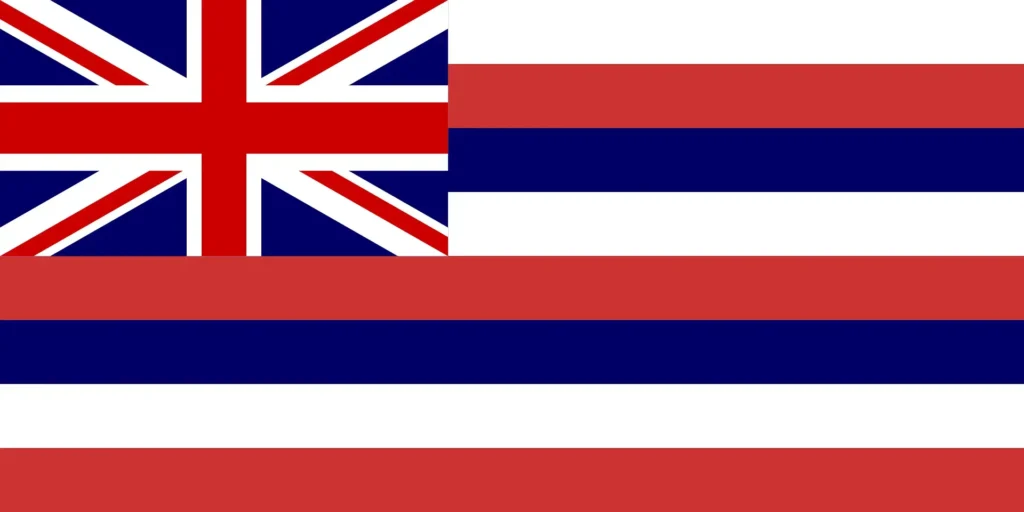
The Hawaii flag is the official flag of the U.S. state of Hawaii. It has four horizontal stripes in white, red, and blue and a British Union Jack flag depicted in the top left corner. The Hawaiian flag has been in use since 1845.
This article discusses the design, meaning, and history of the Hawaiian flag as well as some fun facts about Hawaii and its flag.
Key takeaways
The Hawaii flag’s eight red, white, and blue stripes represent Hawaii’s eight main islands, while the Union Jack reflects the islands’ historical ties with Britain.
Despite its British appearance, Hawaii was never a British colony. The Union Jack was included as a symbol of friendship between King Kamehameha I and Britain.
The flag has endured through major changes in Hawaii’s history, remaining essentially unchanged from the Kingdom of Hawaii in 1845 through annexation by the United States and Hawaii’s statehood in 1959.
There’s more to Hawaii’s flags than the familiar state flag. Learn about the unofficial Kānaka Maoli flag, the meaning behind Hawaii’s flag colors and symbols, and fun facts about the islands.
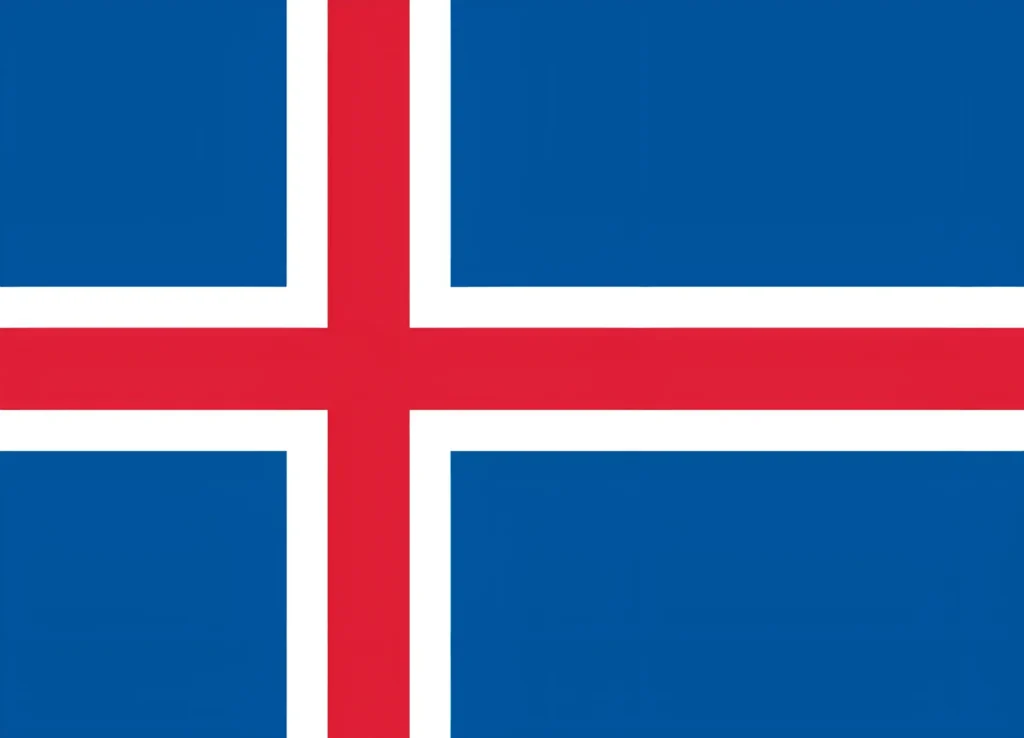
The Iceland flag features a red cross within a white cross on a blue field. This flag was first adopted as a regional flag on June 19, 1915, when Iceland was still part of Denmark. It became Iceland’s national flag on December 1, 1918, when Iceland became a sovereign state in personal union with Denmark. The flag was formally codified by law on June 17, 1944, when Iceland became an independent republic.
This article explores the flag of Iceland’s design, symbolism, and history. If you have more specific questions about the Icelandic flag, ask Quillbot’s AI Chat.
Key takeaways
The Iceland flag features a red Nordic cross outlined in white on a blue field, symbolizing Iceland’s landscape and its connection to the Nordic region.
Its colors represent Iceland’s natural identity: blue for the ocean and mountains, white for snow and ice, and red for volcanic fire and lava.
First adopted in 1915, the flag became Iceland’s national flag in 1918 and was formally codified when Iceland became a republic in 1944.
Beyond its design and history, Iceland has strict rules for flying the flag, including limits on when it may be displayed.
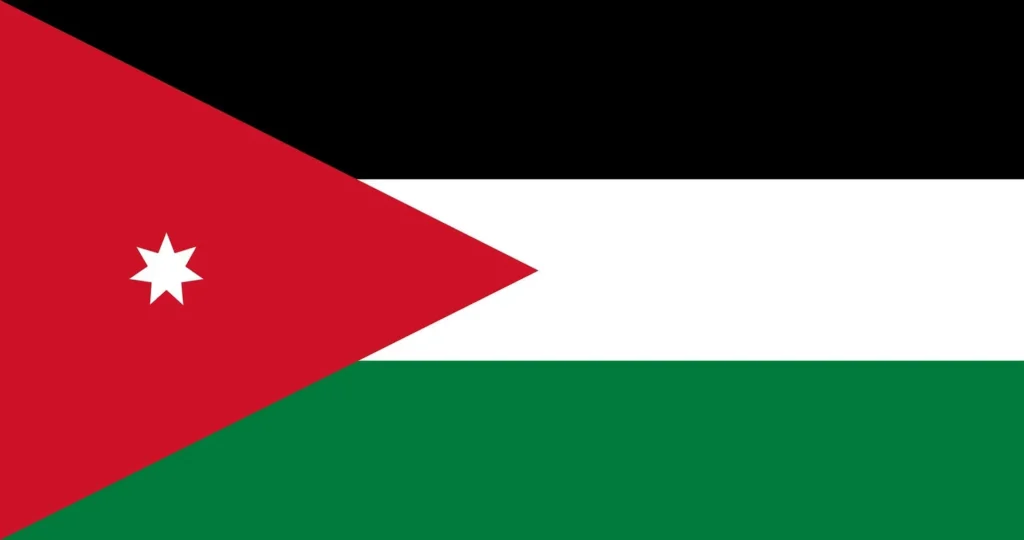
The flag of Jordan shows horizontal stripes of black, white, and green connected by a red chevron, which bears a seven-pointed white star. The Jordanianflag was officially adopted on April 16, 1928.
In this article, learn about the appearance, symbolism, and history of the Jordanflag, plus some fun facts about the flag and the country. Want to learn even more about the Jordanianflag? Ask Quillbot’s AI Chat.
Key takeaways
The flag of Jordan was officially adopted on April 16, 1928 and features three horizontal black, white, and green stripes with a red chevron and a seven-pointed white star inspired by the Arab Revolt.
Every color and symbol has meaning. The stripes represent historic Islamic caliphates, the red chevron symbolizes the Hashemite dynasty and the Arab Revolt, and the seven-pointed star represents Arab unity and the seven verses of Al-Fātiḥah, the opening chapter of the Quran.
Learn how the flag evolved from the 1916 Arab Revolt flag and how it compares with the similar-looking flag of Palestine.
Explore quick facts and trivia about Jordan’s flag, its unique design, and fascinating facts about the country’s history, landmarks, and culture.
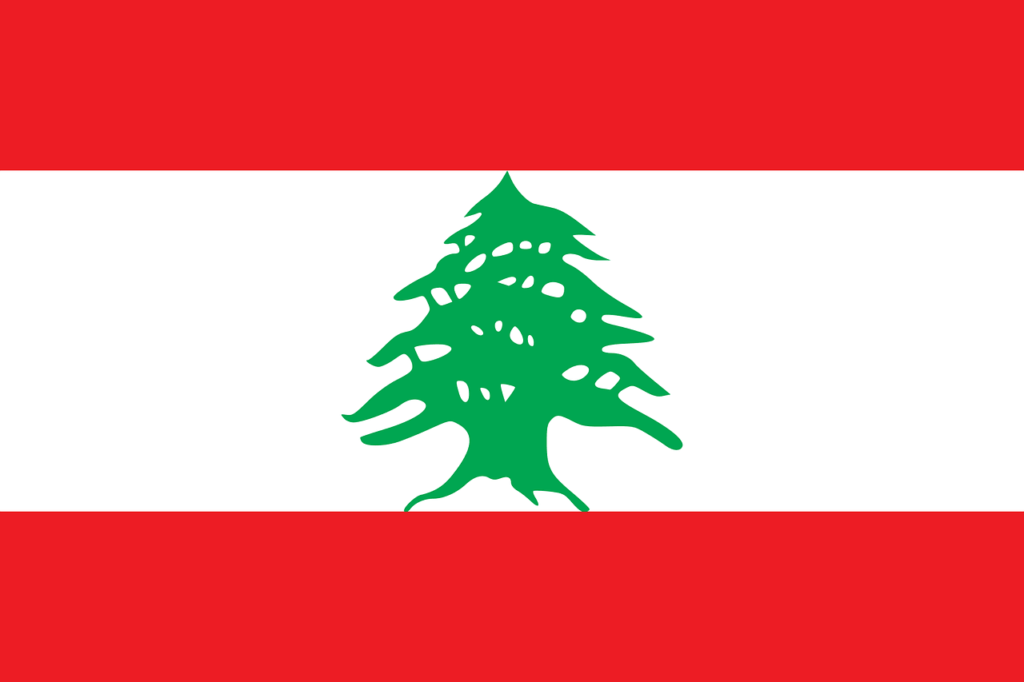
Lebanon is a small but unique nation located in the Levant region bordering the Mediterranean Sea. It’s known for its cuisine, ancient cities, and cedar trees. In this guide you’ll discover the history behind its flag, what its symbols represent, and interesting fun facts about Lebanon.
Try Quillbot’s free Image Generator to create fun graphics of your favorite country flags.
Key takeaways
Learn what the flag of Lebanon represents, including the symbolism of its red, white, and green design and the iconic cedar tree at its center.
This guide also explores the flag’s adoption in 1943, the history behind its design, and interesting facts about Lebanon’s culture, landmarks, and heritage.
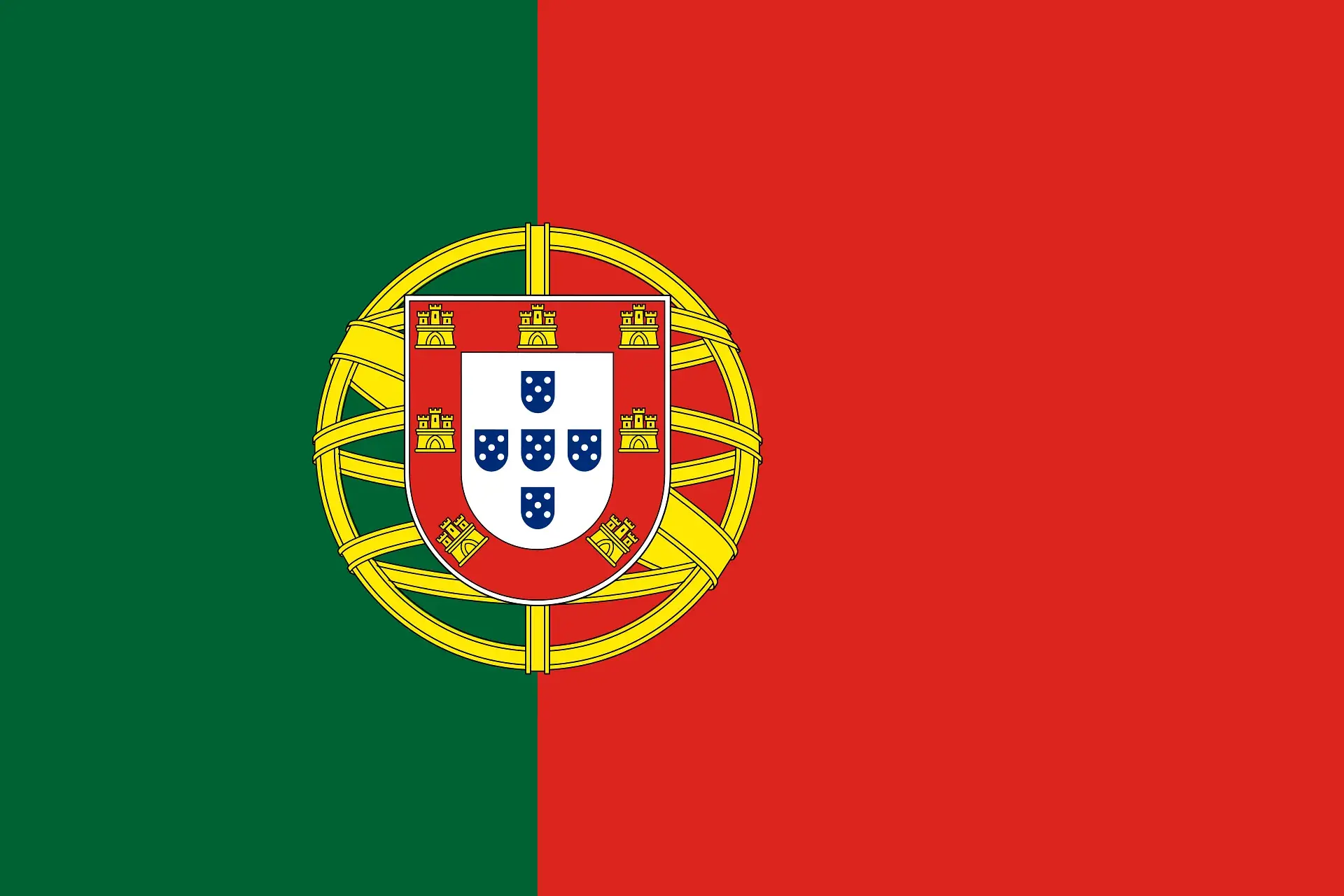
The flag of Portugal is green and red with the Portuguese coat of arms positioned where the two colors meet. It was first presented on December 1, 1910, after the revolution that led to the formation of the First Portuguese Republic, and was officially adopted on June 30, 1911.
In this guide, you’ll learn about the Portuguese flag’s appearance, colors, meaning, symbolism, history, and official adoption, along with interesting facts about Portugal. And if you want to learn even more about Portugal or its flag, ask Quillbot’s AI Chat.
Key takeaways
The flag of Portugal is a rectangular green-and-red bicolor with the Portuguese coat of arms centered where the two colors meet. It has represented Portugal since 1911, following the establishment of the First Portuguese Republic.
Every element of the flag has meaning, from the green and red fields to the coat of arms and armillary sphere, reflecting Portugal’s history, maritime achievements, and national identity.
Discover how the Portuguese flag evolved over more than 800 years, from medieval royal symbols to the modern design adopted after the 1910 revolution.
Explore fascinating facts about Portugal and its flag, including its unique design, global influence, and remarkable historical firsts.