How to Avoid AI Detection (the Responsible Way) in 2026
AI writing tools can help writers brainstorm, draft, and edit content more efficiently. But as AI detectors become more advanced, simply copying and pasting AI-generated text can lead to flagged content and raise concerns about originality.
The responsible way to avoid AI detection is to focus on improving authenticity and readability. By editing AI-assisted drafts, adding personal insights, and writing in a natural tone, writers can create content that feels more human, original, and engaging.
Key takeaways
- Avoiding AI detection responsibly is about improving the authenticity, originality, and readability of your content rather than trying to “trick” detection tools.
- The best approach is to use AI as a writing assistant for brainstorming, outlining, or drafting while adding your own voice, examples, and human insight through careful editing.
- Natural writing habits like varying sentence structure, using conversational language, and including specific details help AI-assisted content sound more human and engaging.
What AI detectors look for
AI detectors analyze patterns commonly found in AI-generated writing. This may include:
- Repetitive sentence structures
- Predictable phrasing
- Overly formal tone
- Lack of personal insight
- Consistent writing patterns throughout the text
Content that feels too polished or generic can sometimes trigger AI detection systems, even when parts of the writing are human-edited.
How to avoid AI detection responsibly
Avoiding AI detection responsibly is about improving the quality and authenticity of your writing rather than trying to bypass detection systems. AI tools can be helpful for brainstorming, outlining, and refining ideas, but the final content should still reflect your own voice, understanding, and perspective.
Instead of copying AI-generated text directly, writers should review and edit the content carefully. Adding personal insights, examples, varied sentence structures, and a more natural tone can make the writing feel more original and engaging. This not only improves readability but also helps the content sound more human.
Responsible AI use is important because it helps maintain trust, originality, and fairness in academic and professional environments. While AI can support productivity and learning, relying on it without critical thinking or meaningful editing can reduce authenticity and create ethical concerns. Using AI responsibly encourages writers and students to develop their own ideas, strengthen their skills, and create content that reflects genuine understanding rather than automated output alone.
The best way to reduce AI flags is to improve the overall quality and authenticity of your writing. Instead of relying entirely on AI-generated text, writers should focus on adding personal insights, natural phrasing, and meaningful edits that make the content feel more human and original.
- Don’t copy and paste AI text
- Add specific details and examples
- Write in a natural voice
- Add human insight
Don’t Copy and Paste AI Text
- Simply copying and pasting AI-generated content without editing can create problems in academic and professional settings. Many schools, universities, and workplaces have policies around originality and responsible AI use.
- Submitting fully AI-generated work may violate academic integrity guidelines, especially if the content does not reflect your own understanding or analysis.
- Instead of treating AI output as a finished product, use it as a starting point. Add your own ideas, examples, perspective, and editing to make the content authentic and meaningful.
- Responsible AI use is important because it helps maintain trust, fairness, and originality in writing. AI should support learning and creativity—not replace critical thinking or personal effort.
Add specific details and examples
AI-generated content often stays broad and general. Adding real examples, experiences, and concrete details makes the writing feel more human and original.
“AI tools help students improve productivity.”
This sentence sounds broad and generic, which is common in AI-generated writing. It explains the idea but doesn’t provide any real context or human detail.
Try this instead:
“A college student might use AI tools to summarize lecture notes before exams, saving time during revision week.”
The second version feels more natural because it includes a realistic scenario and a specific example readers can relate to.
Write in a natural voice
One of the easiest ways to make AI-assisted content feel authentic is to edit it in your own tone.
Avoid:
- Overly formal wording
- Generic filler phrases
- Repetitive transitions
- Robotic explanations
Instead, write the way you would naturally explain something to another person.
Add human insight
AI can generate information quickly, but it often lacks genuine perspective. Adding opinions, observations, or analysis helps make the content more original.
This is especially important for:
- Blog posts
- Academic writing
- Marketing content
- Opinion pieces
- Product reviews
Use AI tools responsibly
Using AI for brainstorming, outlining, or editing is becoming increasingly common. The key is to treat AI-generated text as a draft, not a finished product.
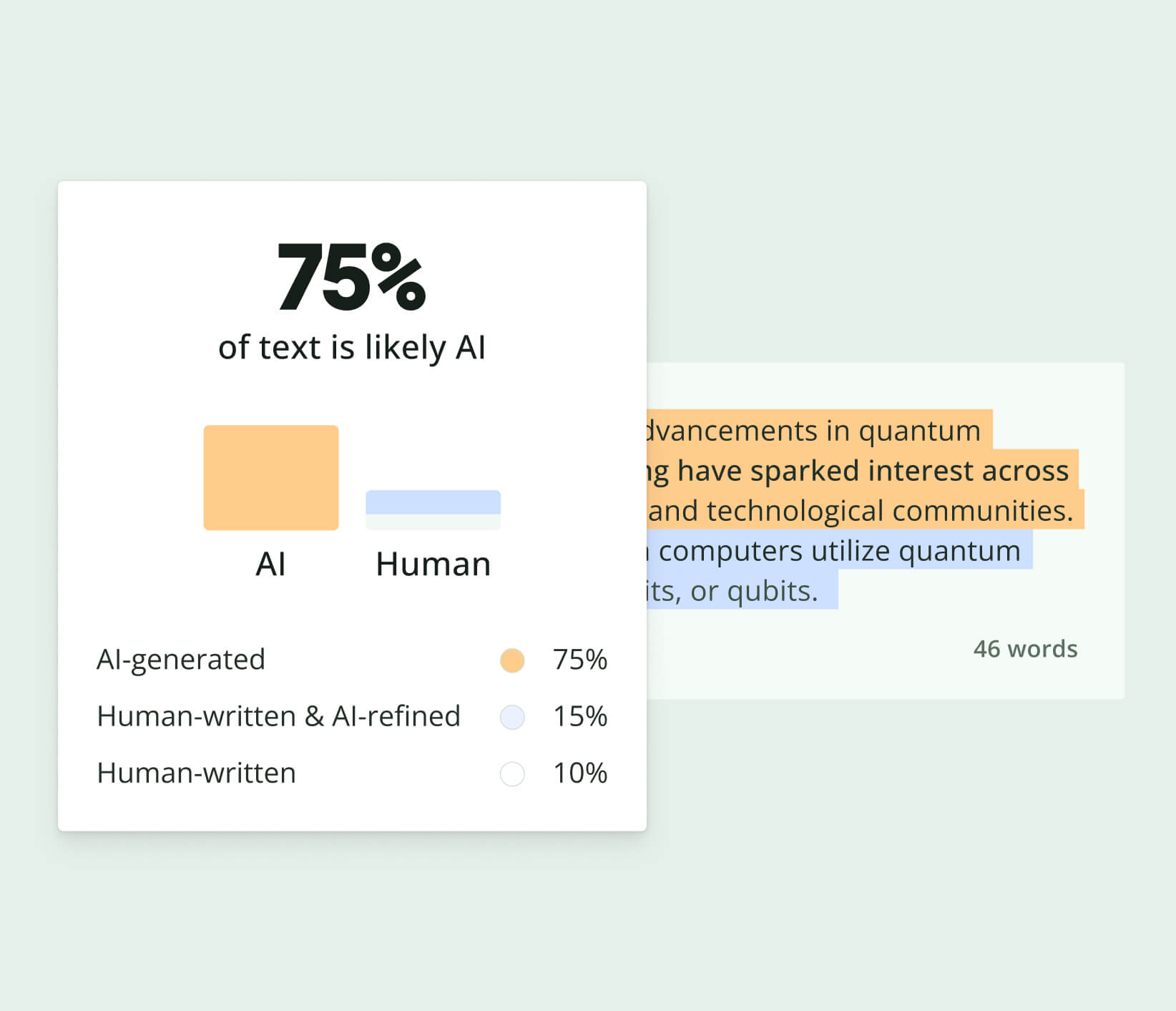
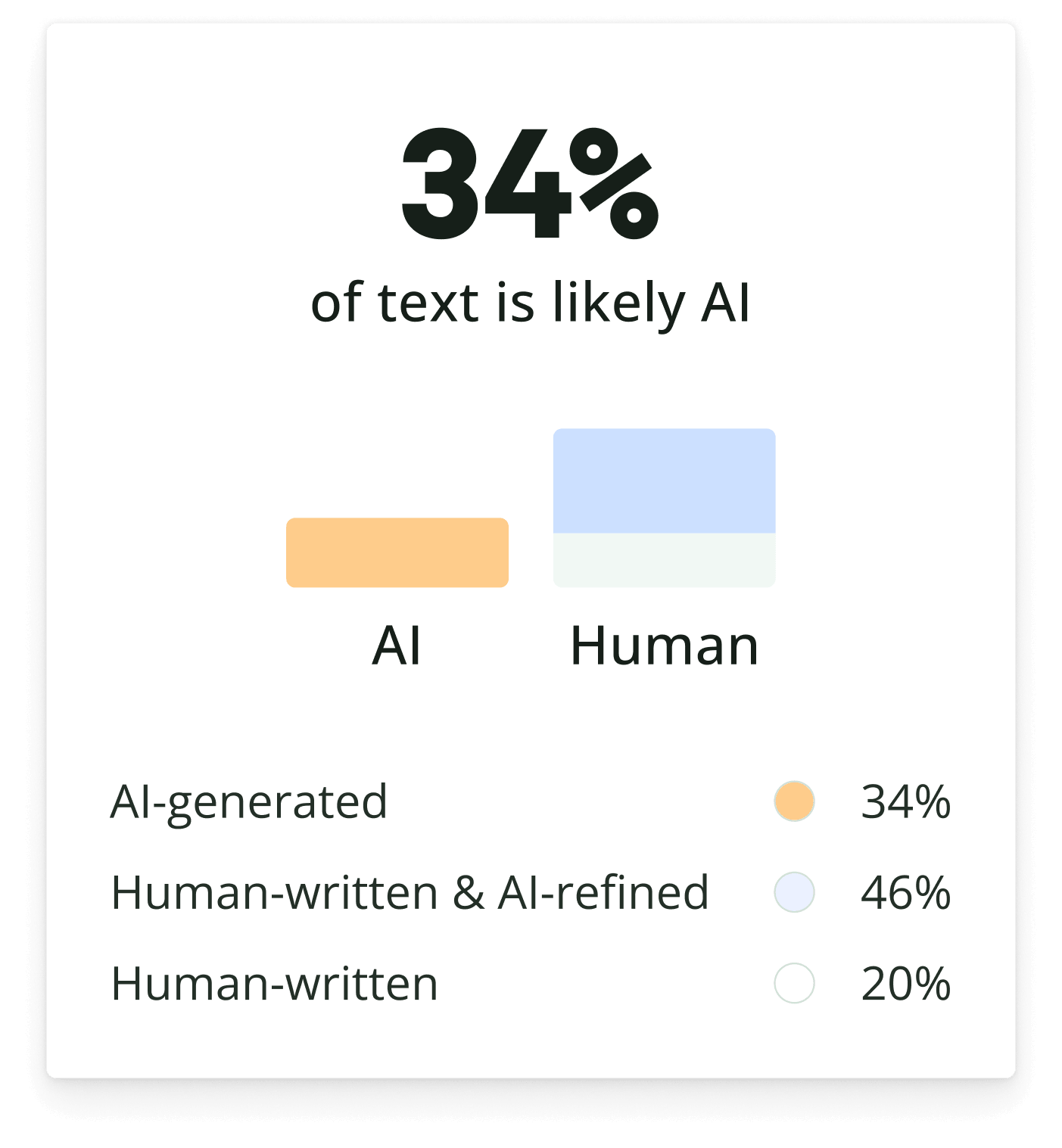
Tools like Quillbot AI Detector can help identify sections that may sound overly machine-generated so writers can refine tone, clarity, and originality before publishing.
Writers can also use Quillbot for paraphrasing, grammar checking, and improving readability while keeping content natural and engaging.
The goal is better writing, not “beating” AI detectors
AI detectors are not something writers need to “trick.” They are simply tools that identify patterns associated with machine-generated content.
The best long-term strategy is to focus on writing that feels clear, useful, and genuinely human.
When your content includes real insight, natural language, and thoughtful editing, it becomes more engaging for readers and less likely to sound AI-generated in the first place.
Frequently asked questions about How to Avoid AI Detection
- How do you rewrite text to avoid AI detection?
-
To rewrite text to avoid AI detection responsibly, focus on improving clarity, tone, and originality rather than simply replacing words. Add more natural phrasing, unique examples, and a conversational flow that reflects your voice.
A useful workflow is:
- Draft or generate ideas
- Edit for clarity and structure
- Add personal insights or examples
- Check readability and tone
- Use an AI detector to review flagged sections
Quillbot can help refine wording while maintaining a more authentic writing style.
- How to avoid AI detection in academic writing?
-
The responsible way to avoid AI detection in academic writing is to ensure the work reflects genuine understanding and original thought. AI-generated essays often sound overly polished, repetitive, or generic.
Students can make their writing more authentic by:
- Adding course-specific insights
- Including personal analysis or interpretation
- Using varied sentence structures
- Revising AI-assisted drafts carefully
- Citing sources properly
Educational institutions increasingly encourage responsible AI use rather than complete avoidance, making transparency and originality more important than simply lowering a detection score.