AI Detector for Educational Institutions | 2026 Guide
AI detectors are becoming an essential tool for educational institutions evaluating student submissions. These tools analyze writing patterns typically associated with large language models (LLMs) such as ChatGPT, Gemini, and Claude.
By early 2026, more than 60% of colleges and universities had adopted some form of AI detection technology.
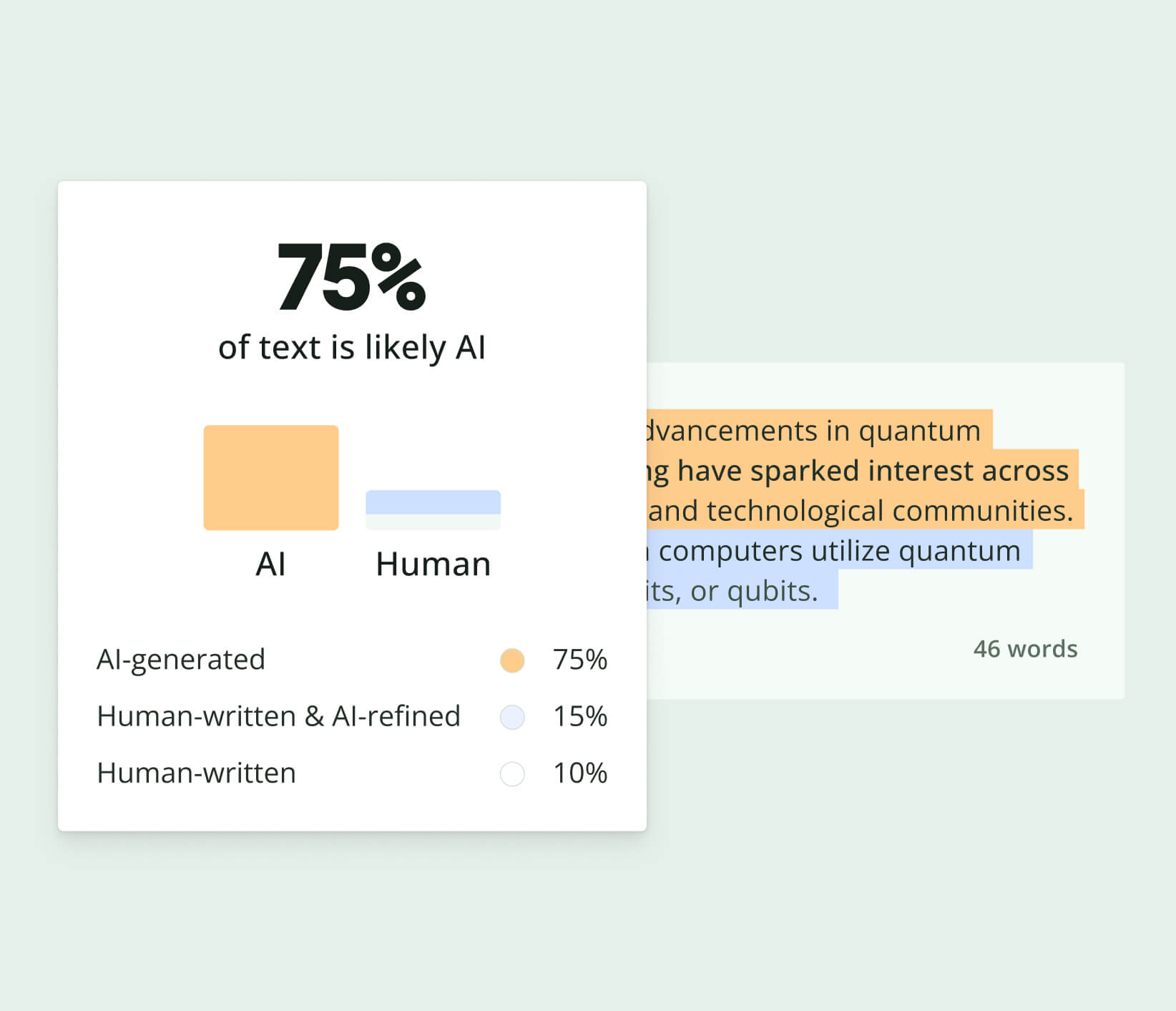
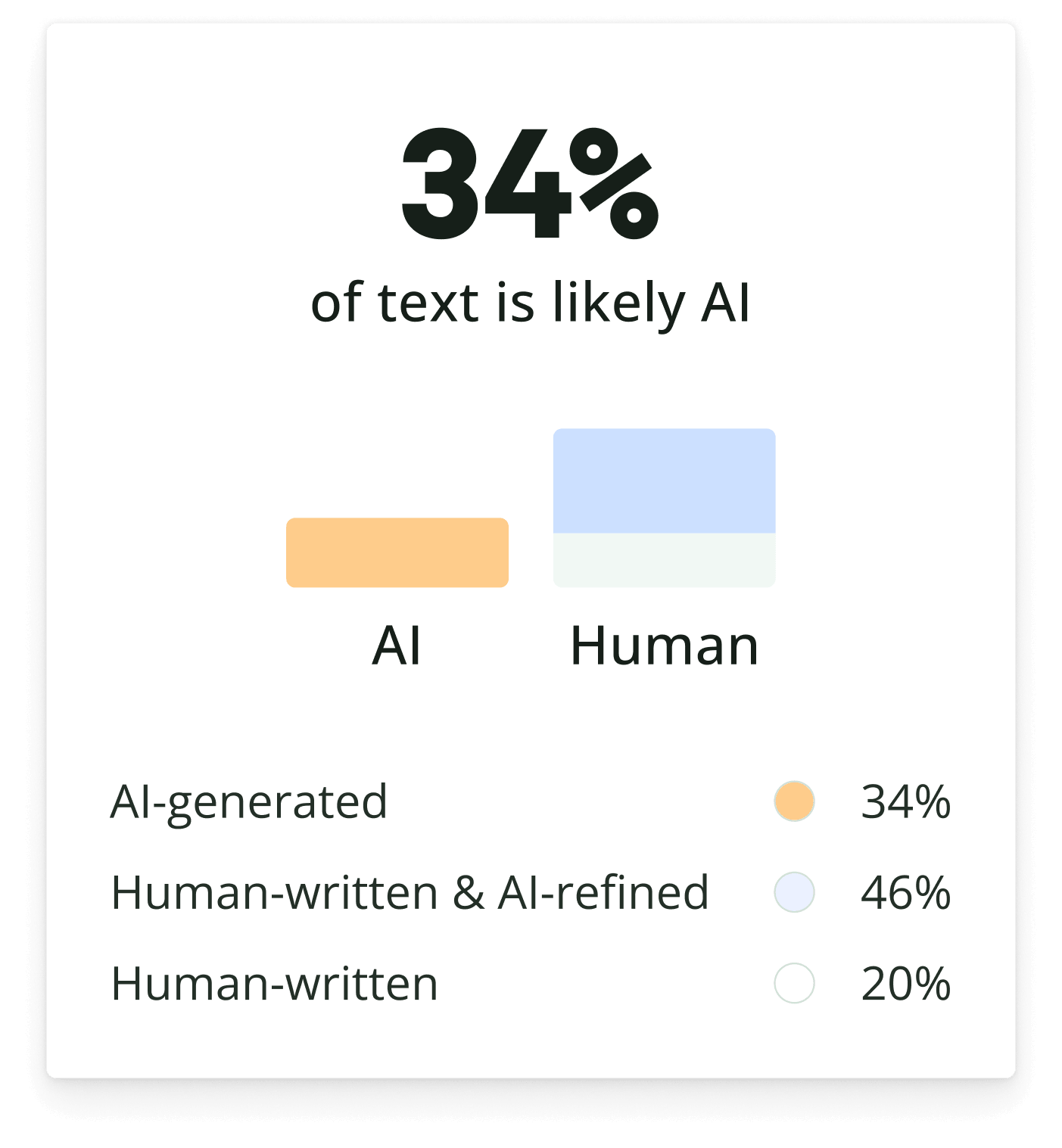
Quillbot’s AI Detector can be used to review text for potential AI-generated patterns and help ensure transparency in academic work.
Why schools and universities use AI detectors
Educational institutions use AI detectors to help identify assignments that may contain AI-generated content. These tools can assist educators by:
- Flagging potentially AI-written essays and assignments
- Supporting academic honesty policies
- Encouraging original student work
- Reducing the time spent manually reviewing submissions
- Helping instructors manage large classes more efficiently
Most AI detectors analyze factors such as burstiness and perplexity (sentence predictability and writing structure), consistency, and tone. AI-generated text often appears more uniform and predictable than human writing.
Still, no detector is completely accurate, which is why institutions are encouraged to combine AI detection with educator judgment and classroom context.
Don’t rely on AI detection scores alone
An AI detection score cannot fully determine whether a submission is original or academically dishonest. Educators should also ask:
- Does the student demonstrate understanding of the topic?
- Does the writing match their previous assignments?
- Are there clear signs of critical thinking or personal insight?
- Was AI use allowed within the assignment guidelines?
A thoughtful review process is far more reliable than depending entirely on automated results.
A practical workflow for educators
Educational institutions can create a simple and balanced review process for AI-assisted assignments:
- Review the submitted assignment
- Run an AI detection check
- Examine flagged sections for context
- Compare the work with previous submissions
- Request drafts or clarification if needed
- Make a final decision using human judgment
This approach helps reduce false accusations while still supporting academic integrity.
AI detection should support learning
AI detectors are not meant to “catch” students at every opportunity. Instead, they should help institutions encourage responsible AI use, original thinking, and stronger writing practices.
Tools like Quillbot’s AI Detector can support educators by identifying patterns that may need closer review while also providing writing support tools that help students improve their critical thinking, digital literacy, and academic writing skills.
Ultimately, the best educational approach combines technology with fairness, transparency, and meaningful student engagement.
Frequently asked questions about AI detector for educational institutions
- What is the best AI detector for educational institutions?
-
Quillbot’s AI Detector is a strong option for educational institutions looking for an accessible and easy-to-use AI detection tool. It helps educators identify sections of writing that may sound AI-generated while supporting a more balanced and thoughtful review process.
One of Quillbot’s biggest advantages is that it goes beyond detection. Educational institutions can also use Quillbot’s writing tools for grammar checking, paraphrasing, summarizing, and citation support, making it useful for both educators and students.
Rather than relying only on detection scores, schools can use Quillbot to encourage stronger writing habits, improve clarity, and support responsible AI use in academic environments.